1Durch die gruppenweite Einführung und Harmonisierung unseres integrierten Managementsystems (IMS) werden alle bestehenden Unternehmens-, Qualitäts-, Umwelt- und Energiepolitiken durch diese Unternehmenspolitik ersetzt. Der Slogan „Textil hat Zukunft – auch in De
1Durch die gruppenweite Einführung und Harmonisierung unseres integrierten Managementsystems (IMS) werden alle bestehenden Unternehmens-, Qualitäts-, Umwelt- und Energiepolitiken durch diese Unternehmenspolitik ersetzt. Der Slogan „Textil hat Zukunft – auch in De
1Durch die gruppenweite Einführung und Harmonisierung unseres integrierten Managementsystems (IMS) werden alle bestehenden Unternehmens-, Qualitäts-, Umwelt- und Energiepolitiken durch diese Unternehmenspolitik ersetzt. Der Slogan „Textil hat Zukunft – auch in De
1Durch die gruppenweite Einführung und Harmonisierung unseres integrierten Managementsystems (IMS) werden alle bestehenden Unternehmens-, Qualitäts-, Umwelt- und Energiepolitiken durch diese Unternehmenspolitik ersetzt. Der Slogan „Textil hat Zukunft – auch in De
1Durch die gruppenweite Einführung und Harmonisierung unseres integrierten Managementsystems (IMS) werden alle bestehenden Unternehmens-, Qualitäts-, Umwelt- und Energiepolitiken durch diese Unternehmenspolitik ersetzt. Der Slogan „Textil hat Zukunft – auch in De
1Durch die gruppenweite Einführung und Harmonisierung unseres integrierten Managementsystems (IMS) werden alle bestehenden Unternehmens-, Qualitäts-, Umwelt- und Energiepolitiken durch diese Unternehmenspolitik ersetzt. Der Slogan „Textil hat Zukunft – auch in De
1Durch die gruppenweite Einführung und Harmonisierung unseres integrierten Managementsystems (IMS) werden alle bestehenden Unternehmens-, Qualitäts-, Umwelt- und Energiepolitiken durch diese Unternehmenspolitik ersetzt. Der Slogan „Textil hat Zukunft – auch in De
1Durch die gruppenweite Einführung und Harmonisierung unseres integrierten Managementsystems (IMS) werden alle bestehenden Unternehmens-, Qualitäts-, Umwelt- und Energiepolitiken durch diese Unternehmenspolitik ersetzt. Der Slogan „Textil hat Zukunft – auch in De
1Durch die gruppenweite Einführung und Harmonisierung unseres integrierten Managementsystems (IMS) werden alle bestehenden Unternehmens-, Qualitäts-, Umwelt- und Energiepolitiken durch diese Unternehmenspolitik ersetzt. Der Slogan „Textil hat Zukunft – auch in De
So you're picking out a carport for 2026? It's not just about who has the lowest price. If you're buying from anywhere in the world, you need shelter that actually fits your climate, your vehicles, your site limits, and how much upkeep you're willing to deal with. A Pvc Carport can keep cars safer from UV rays, rain, dust, and light snow. But honestly, not every model holds up the same. Frame strength, fabric thickness, drainage, and anchoring usually decide whether it's still a good buy years later. The little stuff matters, too. A loose edge? That can turn into a real problem when a storm rolls in.
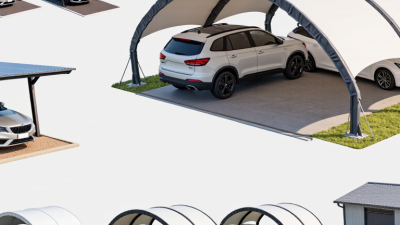
This guide looks at practical Pvc Carport types for homes, farms, dealerships, and temporary commercial sites. We're comparing arched, peaked-roof, tunnel, lean-to, and portable structures. Each one has its own job. A peaked roof can help water run off better. An arched roof might handle wind a bit more smoothly. A lean-to can save space against a wall, but then getting the installation just right becomes much more important. Experienced suppliers like ShelterLogic and VersaTube show why product documentation really matters. Buyers should check steel specs, PVC coating details, connector quality, warranty terms, and whether replacement parts are easy to get.
Reliable buying is about evidence, not pretty product photos. Look for load testing, clear assembly instructions, realistic delivery info, and technical support that actually knows the product. Your regional weather should guide both anchoring and roof choice. And before you install anything, check local building requirements. No comparison is ever perfect. Quality can vary from batch to batch and supplier to supplier. This article points out useful options for different budgets and climates, but it also faces an uncomfortable truth: the cheapest Pvc Carport can end up costing more after repairs, failed parts, or a miserable assembly. That trade-off is easy to miss.
How PVC Carports Work: Frames, PVC-Coated Fabrics, and Load Paths
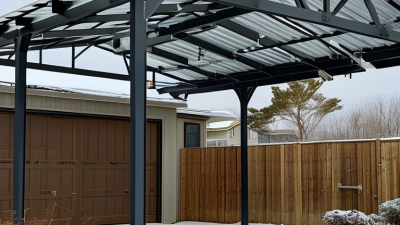
For global buyers in 2026, Pvc Carport selection starts with structure, not color. A carport usually combines galvanized steel or aluminum frames with PVC-coated fabric panels. The frame creates the geometry. Curved rafters shed rain and reduce standing water. Base plates transfer forces into concrete, asphalt anchors, or engineered ground screws. In practice, weak anchoring can defeat a strong canopy. That detail is often underestimated.
PVC-coated fabric is a layered material. Polyester scrim provides tensile strength, while PVC protects it from sunlight, moisture, and abrasion. Welded seams help form continuous panels. They still need inspection. Wind, snow, and rain loads travel from fabric to purlins, rafters, columns, and foundations. This is the load path. If one connection loosens, forces may concentrate around nearby bolts. Local climate matters greatly. Coastal salt, desert dust, freeze-thaw cycles, and tropical rainfall demand different maintenance routines. I would not treat a universal size chart as engineering advice.
Tips: Ask for load calculations based on your installation site. Check fabric weight, UV resistance, seam quality, drainage pitch, and frame corrosion protection. Request anchoring details for your actual surface. Leave clearance for doors and ventilation. Inspect tension after the first storm. A small sag can become a larger problem. Professional review is wise when snow or wind exposure is high.
Main PVC Carport Types: Canopy, Tunnel, Dome, and Retractable Designs
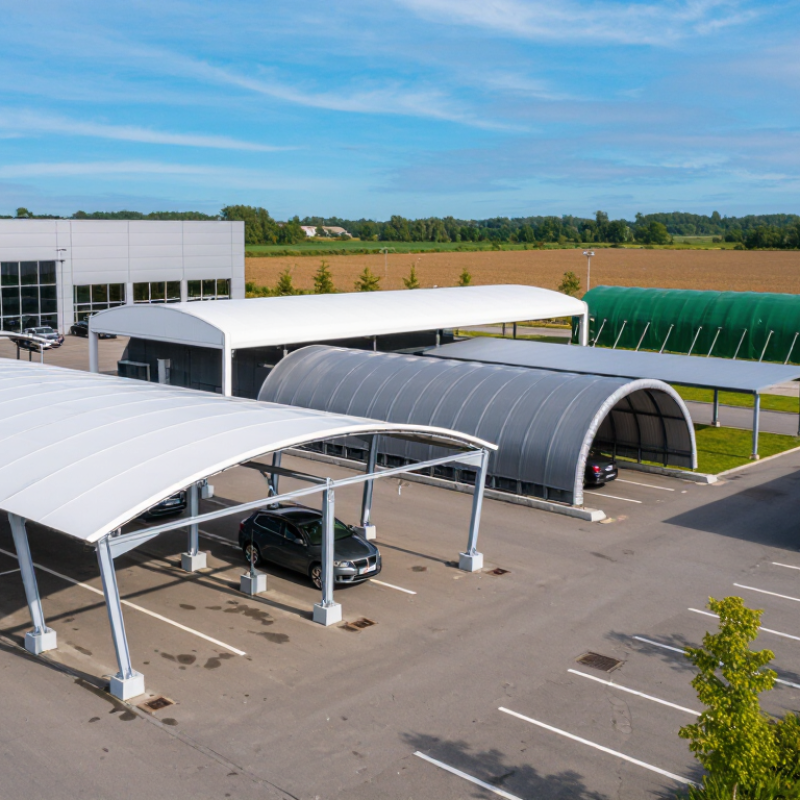
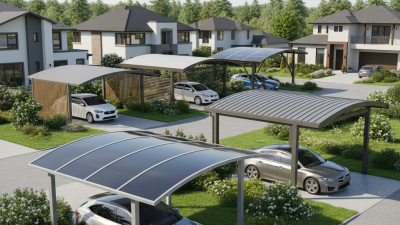
For global buyers, Pvc Carports usually fall into four practical types:Canopy, tunnel, dome, and retractable designs. A Canopy carport uses a simple arched frame and stretched PVC fabric. It suits driveways, farms, and temporary parking areas. Tunnel models provide deeper coverage for vehicles, tools, or motorcycles. Dome carports shed rain and light snow efficiently, but their curved frames can complicate storage. Retractable designs offer adjustable protection, especially where sunlight changes throughout the day. APvc Awning can also extend side coverage, although its hardware needs regular inspection.
Material selection deserves evidence, not guesswork. Grand View Research projects the global PVC market to grow at about 3.9% annually from 2024 to 2030. The Freedonia Group has also identified continuing demand for flexible protective structures in construction and outdoor applications. These figures do not prove that every carport will perform well. They only show a wider material trend. Check UV resistance, fabric thickness, corrosion protection, drainage, and certified wind or snow ratings. A cheap frame may look strong in calm weather. It may disappoint after one season.
Tips: Measure the vehicle, doors, and turning space before ordering. Leave drainage gaps around the base. Choose a dome for frequent rain, a tunnel for long storage, and a retractable model for daily access. Anchoring is critical. Local installers should verify ground conditions and regional loads. I would not trust a product listing without test documents. Real sites are uneven, and published performance can be optimistic.
PVC Fabric Specifications: 500–900 g/m², UV Resistance, and Tear Strength
For global buyers, a Pvc Party Tent should begin with fabric evidence, not appearance.
PVC-coated polyester fabrics commonly range from 500 to 900 g/m². The 500 g/m² class suits short-term events and lighter handling. The 900 g/m² class offers stronger abrasion resistance and improved dimensional stability. However, heavier fabric can increase packing weight and installation labor.
Technical laboratory reports usually measure tensile and tear performance under ISO 1421 and ISO 4674-1.
For commercial tent fabric, tear strength often falls around 80–250 N, depending on yarn structure and coating design. Check both warp and weft results. One direction may perform poorly. That detail is easy to miss.
A practical inspection should examine reinforced corners, welded seams, and eyelet zones, where tearing often begins.
UV resistance requires more than a “UV-proof” claim. ASTM G154 or ISO 4892-3 exposure reports can show color change, coating cracking, and strength retention after artificial weathering.
Outdoor testing guidance often compares 500–1,000 hours of accelerated exposure, but laboratory hours do not equal one fixed number of outdoor years. Climate, humidity, dust, and installation angle change the result.
I would request the original test conditions, not only a percentage claim. A 900 g/m² fabric may last longer, yet poor welding can still cause early failure.
Wind and Snow Ratings: Designing for 80–120 km/h Winds and Regional Loads
For 2026 Pvc Carport buyers, wind and snow ratings should guide every design choice. A carport rated for80–120 km/h winds needs more than a thick PVC cover. Its frame, joints, anchors, and foundations must work together. Coastal sites may face sudden gusts, while open farmland receives stronger, uninterrupted wind. Check the local wind zone before selecting a structure. Do not rely on a general online rating.
Snow loads require equal care. Wet snow can weigh several times more than dry powder. A sloped roof helps snow slide, but it does not replace structural calculation. Ask for the rated snow load in kPa, the test method, and the intended installation surface.
Concrete, compacted soil, and paving blocks offer different anchoring performance. Regional building requirements may also control spacing, drainage, and foundation depth. PVC can remain flexible in cold weather, yet aging, ultraviolet exposure, and poor tensioning may reduce performance. This part is often underestimated.
Tips:
Request engineering documents for your exact model and location. Inspect anchors after severe weather. Remove unusual snow buildup early, if local guidance permits. Keep the cover tight, but not overstretched. A small gap can become a serious tear. I would also allow a safety margin above the minimum rating, because real weather rarely behaves perfectly. Wind direction changes, nearby buildings create turbulence, and installation errors happen. That reality deserves honest planning.
Safety Compliance: EN 13501-1, ASTM D6413, and Local Building Codes
For global buyers, Pvc Carport safety depends on more than fabric thickness. The support frame, anchoring, drainage, and fire behavior must work together. EN 13501-1 classifies construction products by their reaction to fire, including flame spread and smoke production. However, a certificate for one PVC membrane may not cover the complete carport system.
ASTM D6413 measures flame resistance in textile materials through a vertical flame test. It can provide useful evidence for coated fabrics, but it is not a universal building approval. Buyers should request current test reports, product composition, sample identification, and testing laboratory details. Local building codes remain decisive. They may specify wind resistance, snow loads, foundation depth, setbacks, permits, and emergency access. A compliant fabric cannot correct weak anchors.
Tips: Ask for documents before payment. Match the report with the exact material. Confirm whether testing covers seams and coatings. Consult a qualified local engineer for high-wind or heavy-snow locations. Keep clearances around heaters and electrical equipment. Small omissions matter. In project reviews, drainage is often underestimated. Standing water increases fabric stress and may weaken connections over time. Some suppliers also present flame-retardant wording without stating the test method. That wording deserves careful questioning. Requirements differ by country, city, and installation site, so copied specifications can fail in practice.
2026 Buyer Comparison: Cost, Lifespan, Setup Time, and Maintenance Needs
Pvc Carports fall into three practical types: portable fabric frames, PVC-coated steel structures, and rigid PVC-panel designs. Portable models usually cost about US$500–$2,000 and can be installed within one day. PVC-coated steel options often cost US$2,000–$7,000, with setup taking two to five days. Rigid panels cost more, but they provide stronger rain and sunlight protection. Actual prices change sharply with local labor, shipping, foundations, and wind requirements.
Expected service life is usually 5–10 years for lightweight fabric, 10–20 years for PVC-coated steel, and 15–25 years for rigid panels. These figures are practical ranges, not promises. The International Code Council’s 2024 building provisions require site-specific checks for wind, snow, and anchoring. The 2024 RICS Global Construction Monitor also reports continuing construction-cost pressure across many markets, so a cheap quote may hide expensive groundwork. Firmness PVC panels can feel stable, but frame quality still matters more than the label.
Setup is fastest with portable kits, yet they need frequent tension checks, cleaning, and seasonal storage. Steel systems need bolt inspections and rust checks beneath damaged coatings. Rigid panels usually need only washing and seal inspection twice yearly. The National Roofing Contractors Association notes that drainage, fastener movement, and membrane damage strongly affect roof service life. That detail is easy to miss. My comparison is not perfectly tidy: coastal salt, ultraviolet exposure, and poor anchoring can cut these lifespans dramatically. A local installer’s maintenance record may be more reliable than a glossy product estimate.
2026 Best PVC Carport Types for Global Buyers
Buyer comparison by typical installed cost, service life, setup time, and annual maintenance needs.
Freestanding and lean-to Pvc Carports generally offer the lowest initial cost, while gable designs typically provide the longest service life but require more installation time.
Data represents indicative 2026 market ranges for standard residential PVC carports, converted to midpoint estimates. Actual results vary by size, climate, anchoring method, snow and wind loads, labor rates, and fabric quality.
How to Select a PVC Carport by Climate, Vehicle Size, and Permit Rules
Choosing among the 2026 best PVC carport types starts with climate, not appearance. In wet coastal areas, select UV-stabilized PVC fabric, corrosion-resistant frames, and raised drainage edges. NOAA Climate Normals 1991–2020 show major regional differences in rainfall, temperature, and snowfall. A lightweight cover may suit mild regions, but heavy snow requires verified load capacity. ASCE 7-22 provides local wind and snow-load criteria. Check the engineering sheet carefully.
Vehicle size changes the required footprint. The 2023 EPA Automotive Trends Report confirms the continued growth of SUVs and light trucks in the market. Measure mirrors, tailgate clearance, and door-opening space, not only body length. For a large SUV, I would allow extra side clearance and at least 0.6 meters above the roof. A small mistake here becomes daily frustration. Some buyers search for a Pe Carport, but PE and PVC fabrics should not be treated as identical materials.
Permit rules can determine the best structure. Many authorities classify anchored carports differently from temporary shelters. Local rules may require setbacks, wind calculations, foundation details, or snow certification. The 2024 International Building Code remains a useful technical reference, but local amendments control approval. Ask the planning office before ordering. I once underestimated permit drawings; the structure was sound, yet the paperwork was incomplete. That experience still matters.
FAQS
What wind rating should a PVC carport have?
Choose a structure rated for your local wind zone, often 80–120 km/h. The cover alone is not enough. Frames, joints, anchors, and foundations must work together. Coastal gusts and open farmland winds can behave differently.
How should I evaluate snow protection?
Ask for the rated snow load in kPa and the testing method. Wet snow can weigh several times more than dry snow. A sloped roof helps, but it does not replace structural calculations. Remove unusual snow buildup when local guidance allows.
Which foundation surface provides the best anchoring?
Concrete usually offers more reliable anchoring than compacted soil or paving blocks. Each surface needs suitable anchors and installation details. Check foundation depth, drainage, and spacing requirements locally. Small installation errors matter.
How much space should I allow for my vehicle?
Measure mirrors, doors, tailgates, and roof height. Do not measure only the vehicle body. A large SUV needs extra side clearance and about 0.6 meters above the roof. Daily access can become frustrating when space is too tight.
Which PVC carport type suits different budgets?
Lightweight fabric frames commonly cost about US$500–$2,000. Coated steel structures often cost about US$2,000–$7,000. Rigid panels usually cost more but provide stronger rain and sunlight protection. Local labor, shipping, foundations, and wind requirements change the final price.
How long can a PVC carport last?
Lightweight fabric may last about five to ten years. Coated steel commonly lasts ten to twenty years. Rigid panels may last fifteen to twenty-five years. These are practical ranges, not promises. Salt, sunlight, and weak anchoring can shorten them dramatically.
What maintenance does a PVC carport need?
Fabric systems need cleaning, tension checks, and seasonal storage. Inspect anchors after severe weather. Steel systems need bolt checks and inspections beneath damaged coatings. Rigid panels usually need washing and seal inspections twice yearly. This detail is easy to miss.
Do I need a permit for a PVC carport?
Possibly. Local authorities may require setbacks, wind calculations, foundation details, or snow certification. Anchored structures may follow different rules from temporary shelters. Ask the planning office before ordering. I once underestimated the paperwork. The structure was sound, but approval was delayed.
Conclusion
A Pvc Carport is a practical shelter system built from a supporting frame and durable PVC-coated fabric that transfers wind, snow, and vehicle loads safely to the ground. Common designs include canopy, tunnel, dome, and retractable structures, each offering different levels of coverage, ventilation, flexibility, and installation convenience. When comparing options, buyers should review fabric weight, typically around 500–900 g/m², as well as UV resistance, tear strength, and stitching quality for long-term outdoor performance.
For 2026, selection should be based on local climate, vehicle dimensions, expected wind speeds of approximately 80–120 km/h, regional snow loads, and applicable permit requirements. Safety evaluations may include EN 13501-1, ASTM D6413, and relevant local building standards. Buyers should also compare purchase cost, expected lifespan, setup time, cleaning needs, fabric replacement, anchoring requirements, and seasonal maintenance. Choosing the right PVC carport means balancing protection, durability, installation effort, and compliance with local regulations.
Liam is a seasoned marketing professional with over two decades of expertise in the outdoor products industry. He holds a profound understanding of the design, production, and exportation of a diverse range of premium outdoor products, including carports, swings, gazebos, and both manual and......



 1Durch die gruppenweite Einführung und Harmonisierung unseres integrierten Managementsystems (IMS) werden alle bestehenden Unternehmens-, Qualitäts-, Umwelt- und Energiepolitiken durch diese Unternehmenspolitik ersetzt. Der Slogan „Textil hat Zukunft – auch in De