Leave Your Message
0%

You know, a Canopy Car Porchis really more than just a roof over your parked car. It helps with the glaring sun, keeps rain from beating down on the paint, and stops leaves from piling up on the windscreen. But picking the right one? That's another story—it depends on your space, climate, budget, and honestly, how you actually use the area. Got a narrow driveway? A wall-mounted Canopy might be the way to go. Have a wider yard? Then a freestanding structure often makes more sense. Honestly, the little things can make or break a parking spot. Check how the roof shadows things around noon, see where the water runs when it rains, and don't forget to give yourself enough space to actually open your car doors. You'll thank yourself later.

Jordan Hale, a Canopy design consultant, makes a good point: “A good car porch keeps your car protected without making it feel like you're squeezing in and out every day.” To be clear, that’s our own editorial quote, not something from a published source. Still, it’s a solid design idea—but honestly, it shouldn’t replace what a qualified local installer tells you. The materials matter too. Metal roofing gives you that tough, low-maintenance feel, while polycarbonate panels let daylight filter through. Okay, so first thing's first: fabric options might look lighter and airier—and they totally can be—but just know they'll probably need more upkeep if they're out in the open.

This guide is basically your rundown on Canopy Car Porches. I'll walk you through the common types: attached, freestanding, and portable. You'll also get a sense of what to think about before you commit, like where the posts go and how much roof coverage you really need.

One small heads-up though: the cheapest option isn't always the best fit for your specific spot. Trust me, measure twice. Check all the little details. It makes a difference.

What Is a Canopy Car Porch and Which Type Is Best?

What Is a Canopy Car Porch?

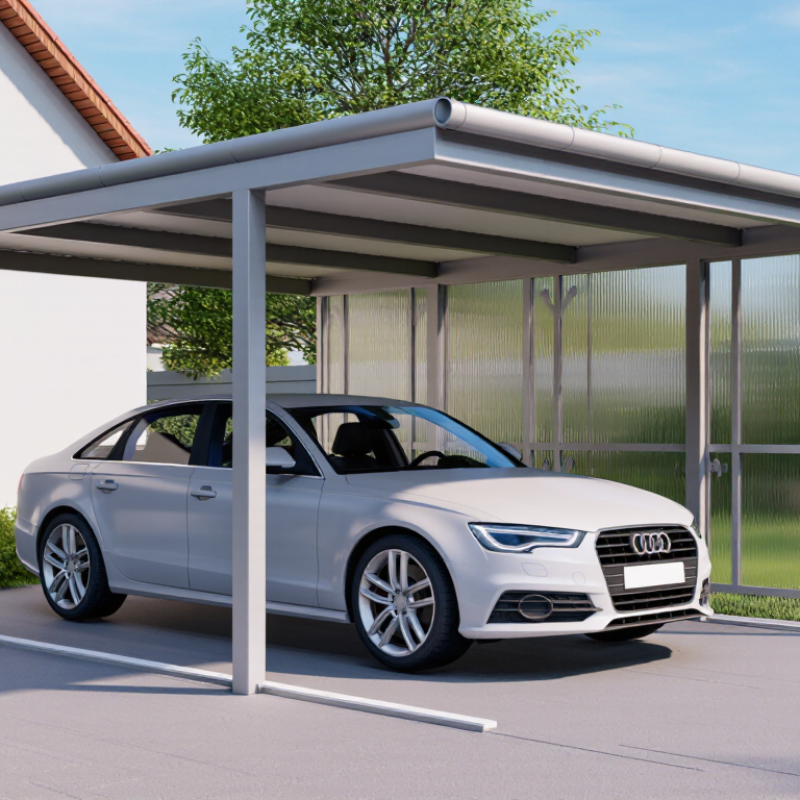
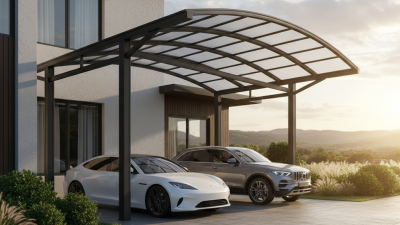
A Canopy Car Porch is a roofed outdoor shelter that protects a parked vehicle from direct sun, rain, and falling debris. It may stand on posts beside a home or attach to a wall. Unlike an enclosed garage, it usually has open sides, so air moves around the car. ACar Porch Awning is a common form: fabric or rigid panels span a supporting frame. Materials, roof slope, and anchoring affect how well it handles local weather.

Looks simple. The details matter.

Shade can make a real difference to comfort. San Francisco State University research found that, on an 80°F day, a parked car’s interior reached about 123°F after an hour in sunlight. That finding is a useful reminder, not a promise that a Canopy will prevent overheating; shade, airflow, and conditions all vary. For a practical choice, check frame strength, drainage, roof coverage, and the manufacturer’s stated wind and snow ratings. A car porch can reduce exposure, but it cannot keep out windblown rain or stop every storm hazard. I’d also measure the parking space twice; a roof that looks wide enough may still leave the doors exposed.

Tips:Match the Canopy to your local weather and vehicle dimensions. Look for secure anchoring and a roof that directs water away from walkways. If snow is common, confirm the rated snow load before buying.

How Does a Canopy Car Porch Work?

A Canopy Car Porch is a roof supported by posts or fixed to a building, creating a covered parking space without enclosing the sides. It works by intercepting direct sunlight and rain before they reach the vehicle. A sloped roof channels water toward gutters or a safe drainage area, while open sides allow airflow. The frame transfers roof loads through its posts and anchors into a suitable base. That connection matters: a sturdy-looking roof can still be vulnerable if its footings or fixings are poorly chosen.

The National Oceanic and Atmospheric Administration’s 2023 U.S. Billion-Dollar Weather and Climate Disasters report counted 28 events, including severe storms. This national figure cannot predict local conditions, but it is a useful reminder to check wind, hail, and snow exposure before choosing a canopy. A lightweight shelter is not a storm shelter. For attached designs, inspect the wall and fascia; for freestanding designs, confirm the ground and post foundations can support the structure. The best type depends on site conditions, vehicle size, and drainage—not appearance alone. A Back Porch Awning may provide useful shade beside the house, but it still needs appropriate supports and water run-off.

Tip: After rain, look for puddles near posts and drips onto the car. They can reveal drainage problems early. Also check the manufacturer’s load specifications against local conditions; this step is easy to overlook.

What Are the Main Types of Canopy Car Porches?

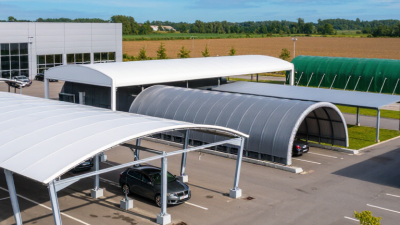
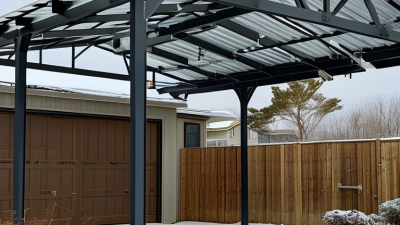
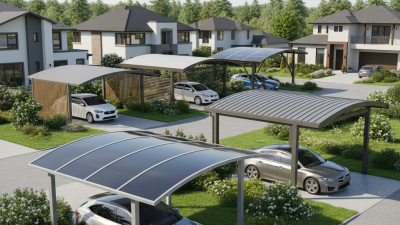
Canopy car porches are commonly freestanding, wall-attached, or portable. A freestanding model uses its own posts, making it suitable for an open driveway or garden parking area. It needs a stable, level base, and post positions should leave enough room to open car doors. Good for open spaces. A wall-attached porch connects to a building, which can save space and provide a sheltered route indoors. Check that the wall and fixings are suitable for the added load.

Portable canopies usually have lightweight frames and fabric covers. They can be useful for temporary shade or occasional parking, but wind can make them less dependable. Setup is quick. I would not assume that every pop-up frame can stay outdoors all year; check its stated weather limits and secure it as instructed.

Roof material is another important difference. Fabric is light and often easy to replace, while polycarbonate panels let in daylight and soften direct sun. Metal roofs tend to feel more solid, but their frame and supports must suit the site. Measure the vehicle, including mirrors, and consider snow, wind, drainage, and nearby trees before choosing. A small gap in clearance can become an everyday annoyance.

What Is a Canopy Car Porch and Which Type Is Best? – Main Types of Canopy Car Porches

Type Typical Structure Common Roof Materials Main Advantages Limitations to Consider Often Best Suited For
Freestanding fixed canopy Supported by its own posts and foundations, separate from the house. Metal sheet, polycarbonate panels, or fabric. Can be positioned where parking is most convenient; does not rely on a house wall for support. Needs suitable ground and properly anchored supports. Post placement can affect vehicle access. Driveways or parking areas beside a home where a wall-mounted structure is impractical.
Attached canopy Connected to a building wall, with the outer edge supported by posts or a frame. Metal sheet, polycarbonate panels, or other roofing compatible with the building. Convenient access between the parking area and the building; may require fewer outer supports. Needs an appropriate wall and secure connection. The design must manage rainwater and avoid damaging the building envelope. Homes with a suitable exterior wall beside the driveway or parking space.
Portable or temporary canopy Lightweight frame that can be assembled, moved, or taken down; some models use ground anchors. Usually coated fabric or another lightweight cover. Can be relocated or stored when not needed and may not require a permanent structure. Generally less rigid than a fixed installation. Wind and snow resistance depend on the design, anchoring, and local conditions. Seasonal use, temporary parking, or situations where a permanent installation is not suitable.
Retractable canopy A fabric or panel cover that extends and retracts on a fixed frame or track system. Typically outdoor-rated fabric or movable panels. The covered area can be opened when shade or shelter is not required. Moving parts need maintenance, and the system must be used within its specified weather limits. Users who want adjustable shade and have a suitable location for a fixed frame.
Solid-roof carport canopy Fixed frame with a continuous, rigid roof; it may be freestanding or attached. Metal roofing or rigid polycarbonate panels. Provides a durable overhead barrier from sun and rain when correctly designed and installed. Requires secure structural support and planned drainage. Local rules may apply to permanent installations. Long-term parking protection where a permanent, sturdy roof is preferred.
Fabric-roof canopy Frame supporting a stretched or fitted fabric cover; it may be fixed or portable. Outdoor-rated woven or coated fabric. Usually lighter than a rigid roof and can provide shade; some covers can be replaced. Fabric condition, tension, drainage, and weather resistance depend on the material and design. Shade-focused parking or locations where a lighter roof is preferred.

Which Materials and Designs Are Available?

Canopy car porches come in steel, aluminum, timber, and fabric-covered designs.

Steel offers a rigid frame for wide spans.

Aluminum is lighter and resists rust.

Timber brings a warmer look, but needs regular checks for moisture damage.

Fabric-covered designs, including Retractable Porch Awnings, can provide adjustable shade; their exposed edges still need secure fixing in wind.

Roof choices change comfort and upkeep.

Corrugated metal is durable, but rain can sound loud beneath it. Light, but noisy. Polycarbonate panels admit daylight, though direct sun may heat the parked car.

The U.S. Department of Energy’s cool-roof guidance reports that reflective roofs can stay up to 50°F cooler than conventional roofs under comparable sunny conditions. That benefit depends on finish, airflow, and local weather.

For steel frames, the American Galvanizers Association’s atmospheric corrosion data estimates that galvanized coatings may last roughly 50–100 years in rural environments; coastal or industrial exposure can shorten service life. Those figures are estimates, not guarantees. Looks warmer.

Before choosing a design, check expected snow and wind loads with a qualified installer, and consider whether posts will block doors or narrow the driveway.

How Do You Choose the Best Type for Your Needs?

Choosing the best canopy car porch starts with the space around your vehicle. Measure its length with the doors open, then add room for walking and loading groceries. Check overhead branches, wall openings, and where rainwater will drain. A tight fit can look neat on paper but feel awkward every day.

An attached canopy may suit a driveway beside a sturdy wall and can use less ground space. A freestanding frame offers more flexibility, especially when the parking area sits away from the house. Retractable covers are useful when you sometimes want open sky, though moving parts may need regular care. There is no perfect option.

Match the covering to your local weather and maintenance habits. Metal panels can handle rough use, while clear polycarbonate admits daylight but may show dirt. Fabric is lighter, yet can need more frequent inspection after strong winds. Ask an installer how the frame is rated for expected wind or snow loads, and check local requirements before fixing posts or attaching it to a building. Measure twice. I have seen small drainage details overlooked; water pooling beside the car can become a daily annoyance. Decide what matters most: shade, rain protection, open space, or low upkeep.

What Should You Know About Installation and Maintenance?

Installing a Car Canopy begins with checking the ground, not unpacking the frame. Measure the parking area and leave room for doors to open and people to walk around the vehicle. A level surface helps the structure sit evenly. Gravel, paving, and soil each need suitable anchoring, so follow the installation instructions for your specific model. Don’t guess on anchors. Wind can place unexpected strain on a canopy, even when the forecast seems calm. If the site is exposed or the ground is unstable, ask a qualified installer to assess it. I would not assume a compact frame is automatically simple to secure.

During assembly, check that each connection is tight and the cover is stretched evenly, without pulling it beyond the recommended fit. Keep water from collecting on the roof; pooled water adds weight and may damage the fabric or frame. Maintenance is straightforward, but easy to postpone. Every few weeks, look for loose fasteners, bent supports, small tears, and signs of rust. After heavy rain or strong winds, inspect it again. Clean the cover with mild soap and water, then let it dry fully before storage. Avoid harsh cleaners, which can weaken some fabrics. Snow loads vary by design, so follow the maker’s guidance and clear snow only when it is safe to do so. A quick check takes minutes. Neglect is harder to fix.

Canopy Car Porch Planning: Example Footprint Dimensions

Compare example clear width and length for common single- and two-car layouts. Dimensions are planning examples, not universal standards or code requirements.

Before installation: Check local building rules, vehicle clearance, ground conditions, drainage, and wind or snow loads. Secure the posts and roof using a system suited to the site. For maintenance: Inspect the frame, fasteners, roof panels, and drainage at least annually and after severe weather; follow the manufacturer’s care instructions.

FAQS

What does a canopy car porch do?

It blocks direct sunlight and rain before they reach a parked vehicle. Open sides let air move through. It is not a storm shelter.

What are the main types of canopy car porches?

Common types are freestanding, wall-attached, and portable. Freestanding models need stable bases. Wall-attached models need suitable walls and fixings.

How does a sloped canopy roof handle rain?

The slope directs water toward gutters or a drainage area. After rain, check for puddles near posts and drips on the car. Small puddles matter.

What should I check before choosing a canopy?

Measure the vehicle, including its mirrors, and leave room to open the doors. Check local wind, hail, and snow exposure. Appearance alone can mislead.

Are portable canopies suitable for year-round use?

Not always. Lightweight frames and fabric covers may be less dependable in wind. Check the stated weather limits and secure the frame as instructed.

Which roof materials are commonly used?

Fabric is light and often replaceable. Polycarbonate panels let in daylight, while metal roofs can feel more solid. Each needs supports suited to the site.

What makes an attached canopy safe and stable?

The wall and fixings must suit the extra load. A strong-looking roof can still have weak connections. I would check those carefully.

How can I spot drainage problems early?

Look for water pooling around posts or dripping onto the vehicle after rain. These signs are easy to miss. Check them again after heavy rain.

Conclusion

A Canopy Car Porch is a covered outdoor structure that helps protect a vehicle from sun, rain, and other everyday weather. It works by using a roof supported by posts or a frame, allowing air to circulate while keeping the car sheltered. Common options include freestanding porches, which can be positioned independently, and attached designs, which connect to a building. Roof shapes and layouts vary, so the right choice depends on available space, the number of vehicles, local conditions, and the look you want.

Canopy Car Porch designs can be made from materials such as metal, timber, or fabric, each offering different levels of durability, upkeep, and visual appeal. Before choosing, consider the roof’s strength, drainage, required clearance, and how well the structure suits your property. Installation involves preparing a stable base, assembling the frame, and securing the roof; the details depend on the design and site. Regularly checking fixings, clearing debris, and addressing wear can help keep the porch safe and useful over time.

Sophia

Sophia

Sophia is a seasoned marketing professional with over two decades of experience in the outdoor product industry. Her expertise lies in the design, production, and export of an extensive range of high-quality outdoor products, including carports, swings, gazebos, manual and electric awnings,......
Previous Why Choose a Folding Gazebo for Outdoor Events?