

Picking out the right Pergola Awning isn’t just about choosing a fabric color or how wide it opens. It actually impacts a lot more—like how much shade you get, heat control, privacy, maintenance needs, and overall daily comfort. For example, your patio might look great at noon, but when the late afternoon sun hits from the side, it might feel pretty unusable without some proper shading.
Industry experts agree with this practical view. The American Society of Landscape Architects’ survey on residential landscape trends consistently shows outdoor living spaces are a top priority for homeowners. Plus, Houzz’s U.S. Outdoor Trends Study highlights that people are still investing in outdoor areas that are functional—think shade, weather protection, and more. Basically, a Pergola Awning shouldn’t be looked at as just a nice extra—it should be part of your whole outdoor living setup.
And let’s not forget about performance. The U.S. Department of Energy points out that exterior shading can cut down on solar heat before it even hits your windows or walls. The same idea applies to covered patios, but the actual results can really depend on how your space is oriented, the fabric openness, ventilation, and even the climate you’re in. Reports from companies like Grand View Research and Freedonia also mention the rising demand for outdoor comfort products. That’s great, but keep in mind, not all models are created equal—market growth doesn’t mean they all perform well.
It’s a good idea to measure everything carefully. When you’re choosing, look at projection distance, cassette strength, wind resistance, drainage, motor quality, warranty details, and support during installation. For example, Somfy motors are pretty common in automated shades, but you still need to double-check if they’ll work with your setup. A simple checklist might help, but it’s no substitute for real-world issues—like water pooling near your door or glare reflecting off your paving. The smartest move is to find a balance between specs you can trust, your own experience, and understanding the specific conditions of your terrace.
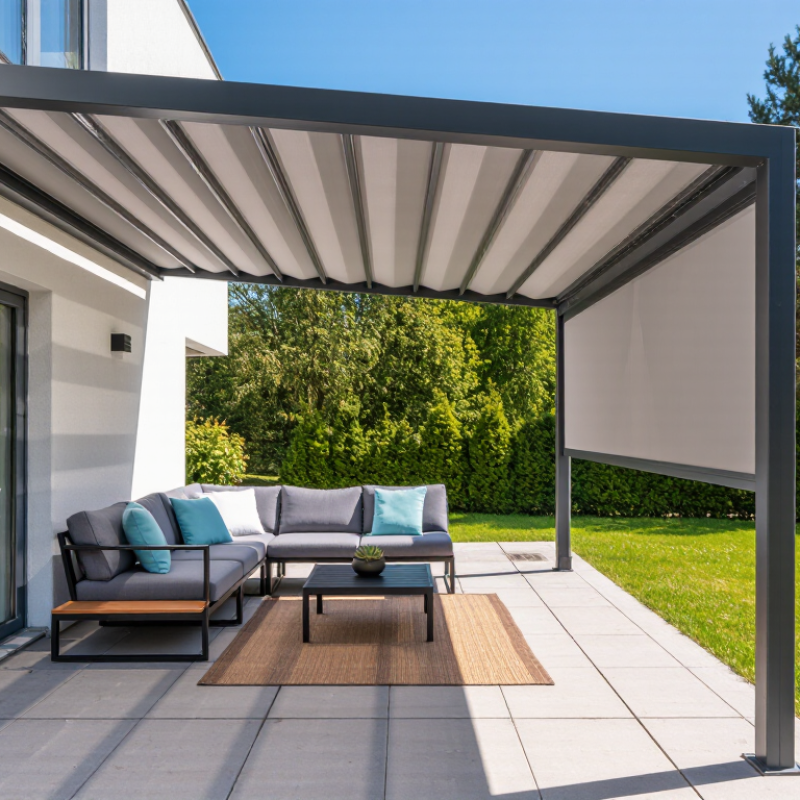
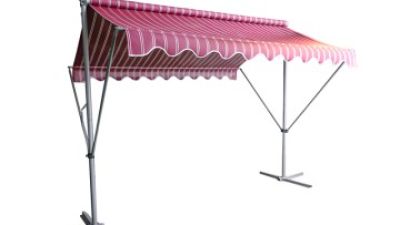
Choosing the best Pergola Awning starts with understanding its operating type, not its appearance. Retractable fabric awnings slide or roll away when sunlight changes. They provide flexible shade and preserve an open-sky feeling. A Pergola Retractable Shade can suit patios used for dining, reading, or occasional entertaining. I have found that manual systems feel simple, but frequent daily use may justify motorized control.
Louvered pergola roofs use rotating slats, usually made from aluminum. Their angle can manage sunlight, airflow, and light rain. They offer stronger weather control than fabric, but their frames cost more and require careful installation. Fixed awnings are more affordable and stable, yet they cannot respond to changing sun angles. That limitation is easy to underestimate. A 2024 global awnings market report from Grand View Research identifies growing demand for adjustable outdoor shading, linked partly to warmer conditions and expanded outdoor living. Market growth does not guarantee suitability for every terrace.
Climate should guide the final choice. The U.S. Department of Energy reports that exterior awnings can reduce solar heat gain by up to 65% on south-facing windows and 77% on west-facing windows. Pergola orientation differs, but the principle remains useful. Measure the afternoon sun, check wind exposure, and inspect drainage paths. Fabric may need seasonal removal in snowy regions. I once assumed a heavier structure was always better; that was incomplete thinking. A lighter retractable system may perform better when flexibility, ventilation, and maintenance matter most.
Start by measuring the pergola’s width, projection, and fixing points. A Pu Awning should fit the structure without pulling against weak beams. Check the roof angle, nearby walls, and drainage path. In windy areas, choose a reinforced system with secure brackets and controlled retraction. Coastal air may require corrosion-resistant hardware. I once underestimated afternoon sun on a west-facing pergola. The seating area became unusable by four o’clock. That mistake changed how I assess outdoor comfort.
Tips: Watch the space for one full day. Note sun, wind, rain, and shadows. Leave room for chairs to move. Test the awning’s reach before installation. Small details matter.
Your local climate should guide the fabric and operating method. Hot, bright regions need strong UV protection and ventilation. Wet climates require water-resistant material and a reliable pitch for runoff. In colder areas, remove or retract the awning before heavy snow arrives. Manual operation may suit a small pergola, while a larger structure needs easier control. Do not rely only on product photos. They rarely show awkward corners, low beams, or blocked views. Recheck your measurements. I have learned that even a few centimeters can affect clearance and daily use.
The material determines how a Pergola Awning performs through sun, rain, and changing temperatures. Acrylic fabric offers strong color retention and resists moisture well. PVC-coated polyester feels more practical in wet climates, but it can appear less natural. Aluminum frames are lightweight, corrosion-resistant, and require limited maintenance. Timber creates warmth, although it needs regular sealing and careful inspection.
Construction quality matters just as much as the fabric. Check reinforced hems, double stitching, and securely fixed joints. Stainless steel fasteners help reduce rust around exposed connections. A slight roof slope directs rainwater away from seating areas. The frame should also match the pergola’s span and local wind conditions. Weak anchoring can make an attractive awning unsafe. That detail is easy to overlook.
Tips: Press the fabric gently before buying. It should feel dense, not brittle. Inspect the underside for clean seams and consistent coating. Ask how replacement fabric is fitted. A repairable system often lasts longer than a cheaper complete replacement. I have found that dark fabrics can absorb noticeable heat, despite their stylish appearance. This is not always a problem, but it deserves thought. Also, allow ventilation beneath the awning. Trapped heat can make a shaded space uncomfortable.
How to Choose the Best Pergola Awning?
Manual and Motorized Awnings create different daily experiences. A manual system uses a crank, so operation remains simple and independent of electricity. It suits smaller pergolas and occasional shade needs. A motorized system opens with a switch or remote control. It works better for wide covers, frequent adjustments, or users with limited mobility. However, motors add wiring, controls, and possible repair costs.
Energy performance also deserves attention. The International Energy Agency’s Buildings report states that buildings consume about 30% of global final energy. Adjustable exterior shading can reduce direct solar heat before it reaches indoor glazing. That matters during hot afternoons, especially beside west-facing windows. Motorized controls can respond quickly, but automation is not always perfect. Wind sensors may close the awning when shade is still comfortable.
Tips: Measure the pergola twice. Check the fabric’s UV rating, drainage direction, and wind tolerance. Ask whether the motor includes manual override during power loss. For a small seating area, manual operation may provide better value. For a large structure, motorized control usually improves convenience. Keep the control system simple; too many settings often discourage regular use.
I have found that installation quality affects performance more than brochures suggest. A poorly aligned frame can create noise, fabric stress, and uneven water runoff. Review maintenance access before choosing a design. Also compare warranty terms, service response, and replacement-part availability. These details are less exciting, but they influence ownership for years.
Choosing a Pergola Awning starts with measured shade, not a catalogue picture. A4m Awning may span a four-metre frame, but projection determines useful coverage. Measure post spacing, wall clearance, furniture depth, and afternoon sun angles. Leave drainage space for rainwater. Field experience shows that shallow projection can leave seating uncomfortably hot. That is an expensive lesson. The U.S. Department of Energy reports that awnings can reduce solar heat gain by up to 65% on south-facing windows and 77% on west-facing windows. This applies to windows, not pergolas. Treat it as guidance, not a promise.
Installation controls safety and everyday comfort. Specify fixings suited to the supporting structure, verified load limits, and a clear runoff path. Never rely on weak cladding alone. ASCE 7-22 evaluates wind pressure through speed, exposure, height, and site conditions. Those factors matter greatly on coastal or elevated properties. A competent installer should explain them clearly. Maintenance should be routine: remove leaves, rinse dust or salt, inspect seams, and dry the fabric before retracting it. Twice-yearly inspections are sensible, though harsh climates may require more frequent checks. I have found this point easy to underestimate. A clean awning can still hide loose brackets or trapped moisture. Pay attention.
| Awning Type | Typical Sizes | Coverage and Shade | Installation Requirements | Maintenance | Weather Suitability | Best Use Case |
|---|---|---|---|---|---|---|
| Manual Retractable Awning | Approximately 2.5–6 m wide with a projection of 1.5–3.5 m | Provides adjustable shade; coverage depends on the projection angle and fabric extension. Suitable for seating and dining areas. | Requires secure fixing to structural beams or masonry. A clear operating area is needed for the crank handle. | Brush off loose dirt regularly, clean with mild soap, and allow the fabric to dry fully before retracting. | Good for normal sun exposure. Retract during strong wind, heavy rain, or snowfall. | Budget-conscious installations and areas where occasional manual adjustment is acceptable. |
| Motorized Retractable Awning | Approximately 3–7 m wide with a projection of 2–4 m | Offers broad, adjustable shade and convenient opening or closing. Optional sensors can respond to sun or wind conditions. | Needs a suitable electrical supply, secure structural attachment, and professional alignment of the motor and arms. | Inspect brackets, arms, fabric tension, and drainage paths at least twice a year. Keep electrical components dry. | Good for regular outdoor use, but the awning should be retracted in high winds and extreme weather. | Large patios, frequently used entertaining areas, and users who prefer automated control. |
| Fixed Waterproof Canopy | Commonly made to fit pergolas from 2 × 2 m to 6 × 4 m | Provides consistent overhead protection from sunlight and moderate rain. Coverage is generally the full roof area. | Requires accurate measurements, a suitable roof pitch or drainage route, and strong attachment points. | Remove leaves and standing water, clean seams, and check fasteners after storms. Inspect waterproof coatings periodically. | Better rain protection than open-weave fabrics; structural design must account for wind and snow loads. | Dining areas that need dependable shade and rain protection throughout the season. |
| Louvered Adjustable Roof | Modular bays commonly range from 3 × 3 m to 6 × 4 m or larger | Rotating louvers allow adjustable sunlight, airflow, and rain control. Closed louvers can direct water toward integrated gutters. | Needs level foundations, strong posts, accurate assembly, and sufficient clearance for louvers and drainage. | Clean louvers and gutters regularly, remove debris, lubricate moving parts when recommended, and inspect seals. | Suitable for varied weather when correctly engineered; open or secure the louvers according to local conditions. | Four-season outdoor rooms and installations requiring precise control over light and ventilation. |
| Shade Sail System | Common triangular or rectangular sizes range from 3 × 3 m to 5 × 7 m | Creates broad filtered shade with limited rain protection, depending on whether the fabric is permeable or waterproof. | Requires accurately positioned anchor points, tension hardware, and posts or strong existing structures. | Check tension and anchor hardware, remove debris, and clean according to the fabric instructions. Store seasonally where required. | Permeable sails reduce water pooling but do not provide full rain cover. Remove or loosen them before severe storms. | Large open areas, modern landscapes, and projects needing flexible seasonal shade. |
| Sliding Fabric Panel System | Usually designed for pergola bays from 2 × 2 m to 5 × 4 m | Panels can be positioned to create partial or full shade across the roof. Coverage changes as panels are moved. | Needs parallel support cables or tracks, accurate spacing, and enough clearance for panel movement. | Wash or brush panels as recommended, inspect rollers and cables, and remove panels during prolonged severe weather. | Good for sunlight control and airflow; protection from rain varies by fabric type and panel overlap. | DIY-friendly pergolas where flexible shade and simple seasonal removal are priorities. |
Selection note: Measure the pergola’s internal width, projection, and mounting height before ordering. Actual coverage, allowable wind conditions, drainage performance, and installation requirements depend on the structure, fabric, hardware, local weather, and manufacturer specifications.
Choosing the best pergola awning means weighing today’s price against years of outdoor use. A low-cost fabric may look attractive, but weak stitching, fading, and poor drainage can create replacement costs. The U.S. Department of Energy reports that Exterior Window Awnings can reduce solar heat gain by up to 77% on west-facing windows and 65% on south-facing windows. This supports a practical point: shade can improve comfort and reduce cooling demand.
Durability depends on the frame, covering, drainage, and installation quality. A Pvc Awning usually offers easy cleaning and strong moisture resistance, but heat expansion and color fading still require attention. Check fabric performance against recognized testing methods, such as ASTM G154 for accelerated ultraviolet exposure. Wind resistance also needs proper verification. ASCE 7 wind-load guidance shows why local wind speed, mounting height, and exposure matter. A product that survives a calm garden may fail on a coastal terrace. I have seen attractive installations weakened by undersized anchors. That mistake is expensive.
Tips: Compare the total cost over ten years, not only the invoice. Ask for wind ratings, UV test results, warranty terms, and replacement-part availability. Choose neutral colors if resale appeal matters, but darker shades can create a more dramatic space. Leave room for maintenance access. A compact awning may save money, yet its limited coverage can disappoint during low evening sun. Budgeting is imperfect; local climate and installation skill often matter more than glossy specifications.
China OEM & ODM manual garden sunshade awnings provide a practical and durable way to improve outdoor comfort. Designed for balconies, backyards, patios, and storefronts, these awnings offer dependable protection from strong sunlight while adding a clean, functional appearance to different architectural settings. Their adaptable structure supports convenient installation and makes them suitable for residential, commercial, and customized outdoor projects.
Built with sturdy metal components, the awning features a knock-down aluminum roller measuring Φ60*1.0mm, a steel arm sized 25*38*1.0mm, and a knock-down steel front tube measuring Ø24*0.8mm. The 7:1 gearbox and included 1.5-meter hand crank allow smooth, manual opening and closing without complicated operation. Its 280g sunscreen polyester fabric with PU coating helps resist daily exposure to sunlight and changing weather conditions, supporting long-term outdoor use.
Manufactured by experienced suppliers in China, these manual awnings can be produced through OEM and ODM services to match different dimensions, colors, packaging, and project requirements. Factory-direct production helps provide flexible customization and consistent quality control, making this weatherproof shading solution a reliable choice for distributors, contractors, and property owners seeking practical outdoor protection.
Acrylic fabric holds color well and resists moisture. PVC-coated polyester suits wetter climates but looks less natural. Aluminum frames resist corrosion and need little maintenance. Timber feels warmer but requires regular sealing. No material is perfect.
Look for reinforced hems, double stitching, and firmly fixed joints. Stainless steel fasteners help limit rust. A slight roof slope guides rainwater away from seats. Weak anchoring can make an attractive awning unsafe.
Press the fabric gently. It should feel dense, not brittle. Check the underside for clean seams and even coating. Ask how replacement fabric is installed. Repairable systems may last longer than complete replacements.
Manual systems use a crank and do not need electricity. They suit smaller pergolas and occasional shade. Motorized systems suit wide covers and frequent adjustments. Motors add wiring, controls, and possible repair costs.
Adjustable shading can reduce direct sunlight before it reaches nearby windows. This may lower indoor heat during hot afternoons. Wind sensors can close the awning unexpectedly. Automation helps, but it is not always perfect.
Measure post spacing, wall clearance, furniture depth, and afternoon sun angles. Measure twice. Projection matters as much as width. A shallow projection may leave chairs exposed to strong afternoon heat.
Use fixings suited to the supporting structure. Confirm load limits and provide a clear drainage path. Do not rely on weak cladding alone. Local wind exposure, height, and site conditions also affect stability.
Remove leaves and rinse away dust or salt. Inspect seams, brackets, and joints regularly. Dry the fabric before retracting it. Twice-yearly inspections are sensible, but harsh climates may need more checks. A clean awning can still hide trapped moisture.
Choosing the best Pergola Awning starts with understanding the available types and how they differ in design, coverage, flexibility, and weather protection. Begin by assessing your pergola’s dimensions, structure, location, and surrounding outdoor space. Consider the local climate, including sunlight, wind, rain, and seasonal changes, to determine the level of shade and durability required. The awning material should be strong, weather-resistant, and suitable for the appearance of your home, while the construction should provide reliable performance over time.
You should also compare manual and motorized operation based on convenience, accessibility, and budget. Carefully evaluate the awning’s size, coverage area, installation requirements, and future maintenance needs before making a decision. Finally, balance the initial cost with durability, style, energy efficiency, and long-term value. A well-chosen Pergola Awning can improve outdoor comfort, complement your property, and provide practical shade for many years.