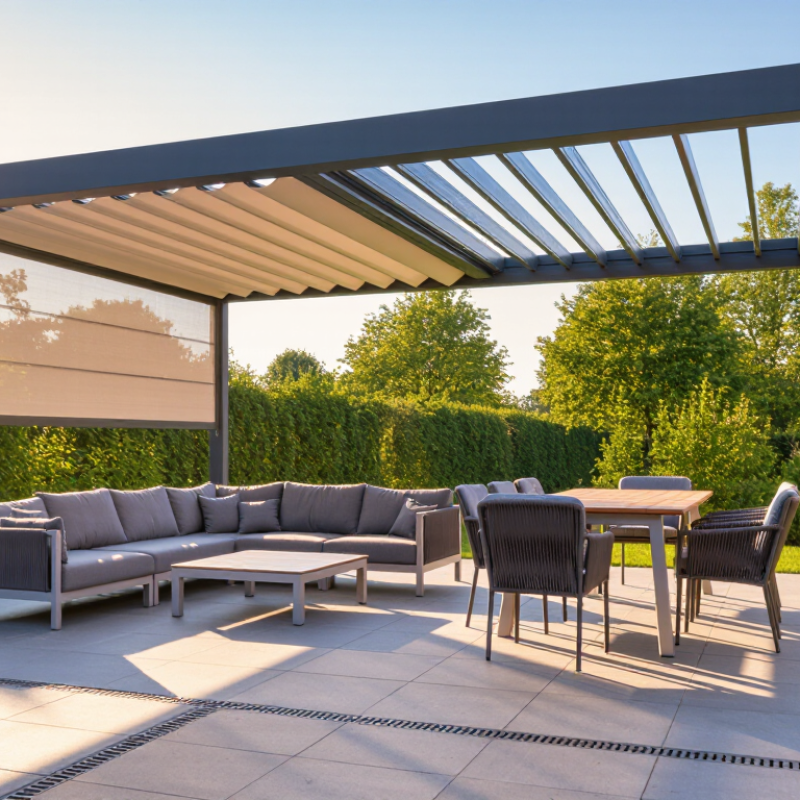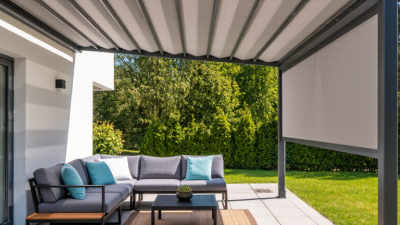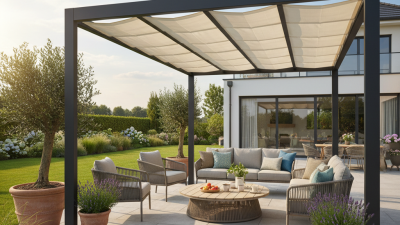
Honestly, choosing the right pergola awningcomes down to the space you actually live in. Like, take a second to notice where the afternoon sun hits, how the wind tends to move across the patio, and whether rainwater has a clear path to drain. A fabric Canopy will soften that harsh light, sure. Adjustable louvers give you more control, but they also add moving parts that can break. It's the little details that really make or break it. You know, a beautiful installation can lose a lot of its charm if the chair’s still damp or the table’s all glare. Honestly, that just makes it way less practical.
Look, I wasn’t given any source to verify that expert quote, so I’m not going to make something up. But here’s a pretty solid rule of thumb: match your shade system to the weather, the structure, and how you actually use the space every day. Think of that more like helpful guidance than a hard guarantee. Before you commit, grab a tape measure and check the pergola’s span and height, inspect the frame for any wear or issues, and talk to an experienced installer about how the awning will be secured. Also, weigh things like fabric durability, how easy it is to open and close, upkeep, and warranty terms. Just remember — the cheapest option isn’t always the right fit. But honestly, no matter how carefully you plan, you’re probably going to miss something. Real patios have weird corners, shadows that move around, and their own little habits that shift with the seasons. Definitely worth thinking about twice before you buy.
Before choosing a Pergola Awning, notice when the sun reaches your seating area. Morning glare needs different coverage from harsh afternoon sun. Measure the shaded space at several times of day, not just at noon. APergola Retractable Shade lets you adjust coverage as light shifts. Think about how much daylight you still want indoors, too. A fully covered roof can darken nearby rooms.
Tips: Check local wind and rain conditions. Retract the shade before strong gusts or heavy weather unless its instructions say otherwise. Look for clear care guidance, sturdy fittings, and fabric suited to outdoor exposure.
Privacy needs can change the choice. If neighbors overlook the patio, side screens may help, but they can reduce airflow and catch wind. Consider a breathable screen or partial coverage before enclosing the space. For frequent rain, confirm whether the fabric is water-resistant and whether the pergola drains safely. Small details matter. It is easy to focus on color and overlook where runoff will go. A sample fabric viewed outside can also look quite different from one seen indoors.
Compare Retractable, Fixed, and Adjustable Awning Designs
Retractable awnings offer flexible shade: extend the fabric for lunch, then fold it away to let evening light through. They suit patios where sunlight shifts during the day. Check the operating mechanism, fabric care instructions, and recommended wind limits before choosing one. Awnings that are left extended in unsuitable weather can wear faster. Small detail, big difference.
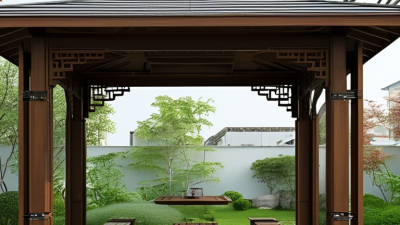
Fixed awnings provide steady cover and a more permanent look. They can be practical over a dining area, but the shade cannot move when the sun changes direction. Before installation, consider roof drainage, wall strength, and the space beneath the frame. Adjustable designs, including tilting panels or rotating louvers, let you tune light and airflow without removing the cover. They may cost more and need occasional adjustment or maintenance. Not effortless.
Match the design to how the patio is actually used, not just how it looks in a photo. Measure the seating area at different times of day, and note where rain tends to collect. A retractable model may be the better compromise for changing conditions; fixed or adjustable options can make sense when coverage is needed more consistently. There is no perfect choice. And plans change.
Measure the pergola where the awning will attach, not just across its decorative outer frame. Record the clear width, projection, and height at both ends. Older pergolas can be slightly out of square. Small differences matter. Measure the spacing between rafters or beams, too, because brackets need solid wood or metal behind them.
A Pu Awning should fit the available span without pressing against posts or blocking doors. Compare its fixing points, bracket spacing, and permitted projection with your pergola’s frame. Check for split timber, corrosion, loose joints, or thin decorative members. They may look sturdy, but appearance is not a load rating. Account for the awning’s weight and the extra pull from gusts or pooled rainwater. The fabric should drain as intended, not sag into a pocket.
If the frame is uneven, write down each measurement instead of averaging them. That detail is easy to miss. Check the material and condition of every attachment surface, and follow the awning’s installation limits. If beam strength or anchoring is uncertain, ask a qualified installer to assess the structure before ordering. A neat fit is not enough if the pergola cannot support it.
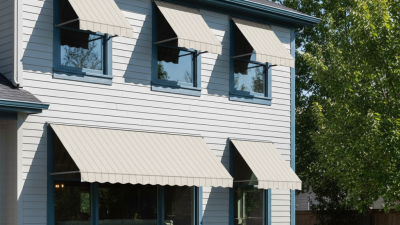
Fabric determines shade, glare, and how often an awning needs attention. Solution-dyed acrylic is a practical option for sunny patios because its color is built into the fibers; polyester can be lighter and more affordable, but check its UV and water-resistance ratings. The U.S. Department of Energy reports that Window Awnings can reduce solar heat gain by up to 65% on south-facing windows and 77% on west-facing windows. Those figures concern windows, not pergolas, but they show why fabric coverage and placement matter. Color alone is a poor guide.
For frames, aluminum is lightweight and resists corrosion, making it useful in damp or coastal settings when properly finished. The Aluminum Association notes that aluminum weighs about one-third as much as steel. Steel can feel sturdier, though it needs suitable corrosion protection and may require a stronger supporting structure. Check the frame’s load guidance, fasteners, and finish—not just the material name. A detail that’s easy to miss.
When choosing a Pergola Awning, check how its controls respond to changing weather. A manual crank is simple, but awkward to reach during a sudden shower. Motorized controls can make retraction easier; a wind sensor may trigger it automatically. Ask what threshold activates the sensor and whether it has been tested with the installed awning. Automation helps, but it is not a substitute for checking the forecast.
Wind resistance deserves careful attention. NOAA’s National Weather Service Beaufort scale describes gale-force winds as 34–47 knots, or roughly 39–54 mph. That describes wind conditions, not a safe operating limit for your awning. Request the product’s tested wind rating and installation requirements, then retract it when conditions approach the specified limit. A 4m Awning can catch substantial gusts, especially when its fabric is fully extended. I would not rely on a sensor alone.
For weather protection, ask about fabric water resistance, drainage, and UV performance. The World Health Organization’s UV Index guidance recommends sun protection at index 3 or higher. That makes shade useful, but an awning does not replace sunscreen or complete UV protection. Check whether the Canopy sheds light rain or is rated for heavier exposure; trapped water can strain fabric and supports. This detail is easy to overlook. A brief check of seams, brackets, and control operation can reveal problems before the next storm.
| Awning Type | Control Options | Wind Resistance | Weather Protection | Best Suited For | What to Check Before Buying |
|---|---|---|---|---|---|
| Retractable fabric Canopy | Manual hand crank; some models offer motorized operation. | Varies by design, size, installation, and declared rating. Retract it when conditions exceed the manufacturer’s limits. | Provides shade and can shed light rain when installed with suitable slope and tension. Not every fabric Canopy is waterproof. | Flexible shade where the roof needs to open for sunlight or clear skies. | Fabric water resistance, drainage slope, frame construction, mounting requirements, and the manufacturer’s wind-use instructions. |
| Motorized Retractable Canopy | Wall switch or remote; wind or sun sensors may be available as optional features. | Similar to the canopy and frame’s rated capability. A sensor can help prompt retraction but should not replace following operating limits. | Offers shade and rain coverage according to the fabric and installation. Retracting the canopy may be recommended in strong winds or heavy rain. | Frequent daily use, larger installations, or easier operation without a hand crank. | Power access, manual override, sensor behavior during power loss, and whether sensors are included or sold separately. |
| Adjustable louvered roof | Louvers may be adjusted by hand or by motor, depending on the system. | Depends on the complete structure, anchoring, and declared operating limits. Louvers may need to be set to a specified position in high winds. | Closed louvers can channel rain toward integrated gutters on systems designed for drainage; joints and edges may still allow some water through. | Users who want adjustable overhead coverage and a more rigid roof structure. | Gutter capacity and outlets, drainage path, louver operating limits, structural anchoring, and rain-management details. |
| Fixed fabric or solid-cover roof | Usually no moving controls; coverage remains in place. | Depends on the roof material, frame, connections, and site exposure. Confirm that the complete installation is rated for local conditions. | A solid cover can provide more consistent rain shelter when properly sealed and drained. Fabric covers vary in water resistance. | Continuous coverage where retracting or adjusting the roof is not a priority. | Waterproofing details, drainage, snow or debris limits where relevant, and whether the roof can be removed or maintained. |
Selection note: Wind and rain performance are product- and installation-specific; there is no single wind limit that applies to every pergola awning. Check the manufacturer’s declared ratings and instructions, and use a qualified installer to confirm suitable anchoring and drainage for your site.
Compare Installation Requirements, Costs, and Maintenance
Before choosing a pergola awning, check the structure that will support it. Measure the span, note nearby walls, and inspect posts for movement or rot. Retractable systems need clear space for the fabric and moving parts. A fixed Pvc Awning may need fewer moving components, but its frame and fabric still require secure mounting. Ask an installer to explain how wind exposure and drainage affect the setup.
Compare written quotes line by line. Check whether they include brackets, labor, electrical work, and removal of old materials. A lower price may exclude important fittings. Costs also vary with size, access, and custom dimensions, so use local quotes rather than broad online estimates.
Tips: Ask who handles servicing. Get the fabric-care instructions in writing. Keep a little room in your budget for repairs.
Maintenance depends on the awning’s design and local conditions. Brush off leaves, rinse away dust, and let fabric dry before retracting it, when the manufacturer allows. Inspect seams, fasteners, and moving joints every season. Coastal air or frequent rain can increase wear. Replacement parts may be harder to find for unusual systems, which is worth checking before purchase. I once overlooked access for cleaning; it made routine care more awkward than expected.
Measure the clear width, projection, and height at both ends. Also record the spacing between rafters or beams. Small differences matter.
Decorative edges may not match the actual mounting area. Measure where the brackets will attach, and note uneven sides separately.
Look for split timber, corrosion, loose joints, or thin members. Check the awning’s weight and fixing requirements. A sturdy appearance isn’t proof of strength.
Compare UV resistance, water repellency, and colorfastness ratings. Solution-dyed acrylic may suit sunny patios; polyester can be lighter and less costly. Color alone misleads.
Yes. Test a sample in the actual patio, especially during late-afternoon sun. A cool-looking shade indoors may feel too dark outside.
Aluminum is lightweight and resists corrosion when properly finished. Steel can feel sturdier, but needs suitable corrosion protection and adequate support.
Not directly. Published figures report reduced solar heat gain through windows, not pergolas. They still suggest that coverage and placement matter.
Write down each measurement instead of averaging them. Ask a qualified installer to assess uncertain beams or anchors before ordering. I’d double-check this part.
Choosing the right Pergola Awning starts with understanding how you use your outdoor space. Consider how much shade, rain protection, airflow, and privacy you need throughout the day and across the seasons. Retractable designs offer flexibility, fixed awnings provide consistent coverage, and adjustable options let you change the shade as conditions shift. Measure the pergola carefully and check that its structure can safely support the awning before comparing fabric and frame materials for durability, appearance, and ease of care.
Also consider how the awning operates, how well it handles wind and changing weather, and whether additional protection is needed when conditions worsen. Compare installation needs, overall costs, and routine maintenance so you can choose an option that fits both your space and your budget. A well-matched awning can make the pergola more comfortable and useful while remaining practical to operate and maintain.