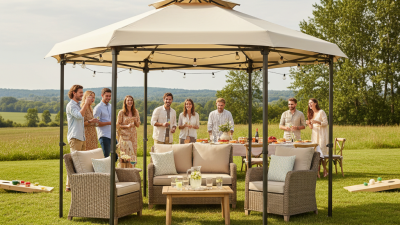
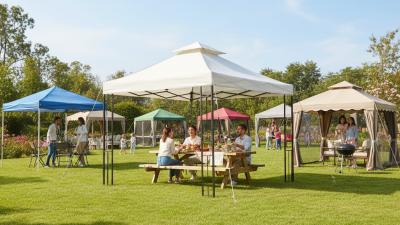
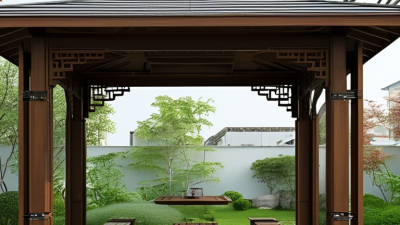
When you're putting together an outdoor event, pretty decorations are only part of the story. What you really need is shelter that shows up fast, holds up when it matters, and can roll with whatever the weather throws at you. That's where a Folding Gazebo comes in—it strikes that practical balance for markets, exhibitions, garden parties, and community get-togethers. The collapsible frame fits in a vehicle, and the fabric roof gives you shade or rain cover right when you need it.
Having worked events hands-on, I can tell you: setup time basically sets the tone for the whole day. If a team can just unfold the frame, lock the Canopy down, and get tables set up underneath it—no heavy gear needed—that’s a huge win. Especially when guests are already waiting and the forecast can’t make up its mind. And honestly, build quality shows. Reinforced joints, tough fabric, solid leg locks, weighted feet... all that stuff makes a real difference in keeping things stable when you're using it outdoors again and again.
Still, let's be honest—no gazebo is totally trouble-free. If it's lightweight, strong winds can be a real problem. And if you don't anchor it properly? Well, that's just asking for unnecessary risk. Even seasoned organizers sometimes skip checking the ground before setup—yeah, it happens. But that little oversight? It matters more than you'd think. The best move is to pick the right size, give the frame a good once-over, and actually follow the manufacturer's instructions. Do that, and you're setting yourself up for safer, more reliable events. Water-resistant fabric? Sure, it can get you through a quick shower. But don't count on it as serious, long-term storm protection.
That's why a Folding Gazebo is more than just a handy cover. It's a flexible event tool—one that helps you plan better, look professional, and keep guests comfortable. Pick the right one and setup gets less stressful, plus your gear stays safer from the sun. Really, the best choice comes down to what your venue actually needs, not just what looks good. And reliability starts with keeping your expectations realistic.
What Is a Folding Gazebo?
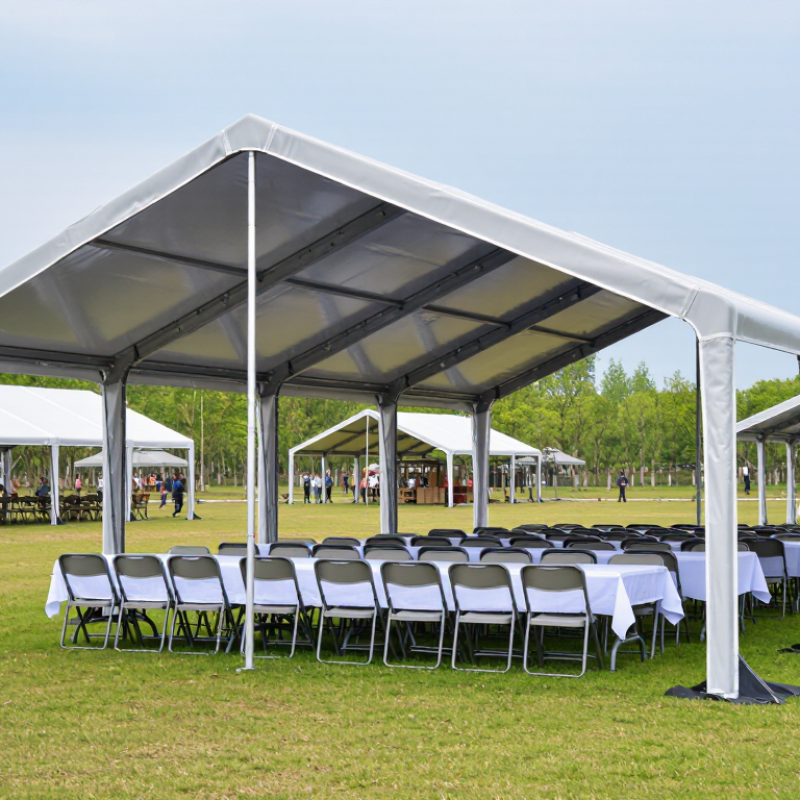
A Folding Gazebo is a portable, freestanding shelter with a collapsible frame and fabric canopy. Its scissor-style structure opens quickly and folds into a compact carrying case. Unlike a fixed pavilion, it needs no permanent foundation. That makes it practical for markets, sports days, weddings, and community events.
The Outdoor Industry Association’s 2024 Outdoor Participation Trends Report recorded 175.8 million U.S. participants in outdoor recreation during 2023. More outdoor activity creates demand for shade, rain protection, and organized event spaces. The American Rental Association forecast U.S. equipment rental revenue at about $78.7 billion in 2024. Folding Gazebos fit this rental-friendly model because crews can transport and reuse them efficiently.
In real use, a 3-by-3-meter gazebo can cover a registration desk, two chairs, and several guests. Sidewalls add privacy and reduce wind-driven rain. Proper anchoring still matters. I would not call a Folding Gazebo storm-proof. Check its tested wind limits, frame joints, roof fabric, and ballast requirements before setup. Uneven ground can also make the frame twist. That detail is easy to miss. Industry reports often group gazebos with broader tent and temporary-shelter categories, so exact market figures remain imperfect. A careful buyer should treat product specifications, field experience, and local venue rules as equally important.
How Folding Gazebos Support Outdoor Event Planning
When an outdoor event changes by the hour, a Folding Gazebo Tent gives planners practical control. Its folding frame can be positioned near registration desks, food stations, or activity areas. This flexibility helps teams respond to changing guest flow. A covered check-in table protects forms and devices from light rain. It also gives guests a clear meeting point.
Small details matter. Measure the site before delivery, including paths, entrances, trees, and uneven ground. Estimate attendance and allow enough space between tables. Do not guess. Check the forecast, venue rules, and safe anchoring requirements. On hard surfaces, suitable weighted bases may be necessary. On grass, approved stakes can provide stronger support. Follow the structure’s instructions carefully, and inspect every connection before guests arrive.
Good planning also separates public areas from staff workspaces. Place signs where people can read them without blocking walkways. Keep cables covered and emergency routes open. Event crews often discover that setup takes longer than expected. Leave extra time. The weak point is sometimes the schedule, not the shelter. A backup plan for heavy rain or strong wind remains essential. No folding structure can replace sound judgment, regular checks, and clear communication among the event team.
Why Choose a Folding Gazebo for Outdoor Events?
How Folding Gazebos Support Outdoor Event Planning
Folding Gazebos are available in modular footprints that can be matched to different event layouts. The chart compares common covered areas for 3 × 3 m, 3 × 6 m, and 3 × 9 m configurations. Using a planning allowance of approximately 0.5 m² per standing guest, these areas can accommodate about 18, 36, and 54 guests respectively before accounting for furniture, stages, walkways, and safety clearances.
Key Benefits of Using a Folding Gazebo
A Folding Gazebo gives outdoor events a practical layer of shelter without demanding permanent construction. Its compact frame can open beside a registration table, food station, or demonstration area within minutes. In my event setup experience, this flexibility reduces labor when weather changes suddenly. It also protects signage, equipment, and guests from light rain and intense sunlight.
The key benefit is adaptability. The 2024 American Express Global Meetings and Events Forecast reported continued growth in face-to-face meeting demand, increasing the need for flexible event spaces. A Folding Gazebo helps organizers respond to that demand in courtyards, markets, sports grounds, and temporary venues. TheFolding Awning design also supports quick relocation between sessions. It can create a shaded queue at noon, then cover a seating area later. Small details matter. Weighted feet, flame-resistant fabric, and clear drainage paths improve operational safety. Follow the manufacturer’s loading and anchoring guidance.
Ventilation is another advantage. Open sides allow airflow while the canopy reduces direct sun exposure. The U.S. Environmental Protection Agency notes that shade can lower heat exposure compared with direct sunlight, though it cannot replace hydration or heat planning. A gazebo is not weatherproof magic. Strong wind can make it unstable, and poor anchoring remains a common weakness. Event teams should inspect joints, fabric tension, and ground conditions before opening. I still find that rushed setup creates avoidable problems. A short inspection often prevents a long interruption.
Setup, Safety, and Maintenance Requirements
A folding gazebo suits outdoor events because its frame opens quickly, without permanent foundations or heavy equipment. Setup still needs discipline. Place it on level ground, inspect every joint, and lock each crossbar before attaching the canopy. A Folding Carport may look similar, but event shelters need clear exits and stable anchoring. Two trained people should raise the structure, especially on wet grass or uneven paving.
Weather deserves serious attention. NOAA’s National Centers for Environmental Information recorded 28 billion-dollar weather and climate disasters in the United States during 2023. That figure does not predict every event, but it shows why wind and rain planning cannot be casual. Check the forecast before arrival, use manufacturer-approved ballast, and remove the canopy when gusts become unsafe. Never rely on thin stakes alone. Allianz’s 2024 Risk Barometer found natural catastrophes were identified as a major business risk by 26% of respondents. The number feels abstract until a loose roof crosses a crowded walkway.
Maintenance is simple, but often neglected. After each event, dry the fabric completely before storage. Wipe mud from feet and inspect stitching, zippers, pins, and plastic caps. Replace bent parts; improvised repairs can fail suddenly. I still miss small abrasions sometimes. A short checklist helps. Record the inspection date, weather exposure, and damaged components. Store the gazebo in a ventilated bag, away from fuel, sharp tools, and direct sunlight. Low-cost maintenance is not always careful maintenance.
Conclusion
A Folding Gazebo is a portable, collapsible shelter designed to provide shade, weather protection, and a defined space for outdoor activities. Its lightweight frame and foldable structure make it practical for markets, exhibitions, parties, sports events, and community gatherings. By creating a comfortable covered area, it supports event planning by helping organizers manage guest spaces, display products, protect equipment, and adapt to changing weather conditions.
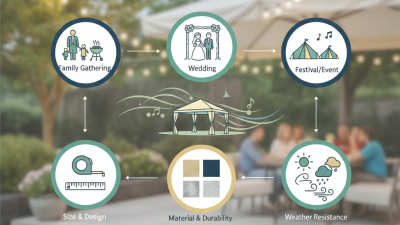
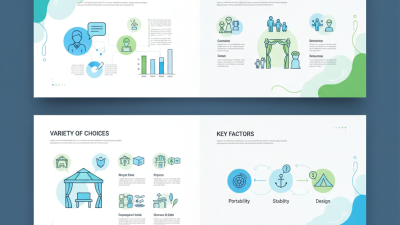
When choosing a Folding Gazebo, consider its frame strength, canopy fabric, water resistance, UV protection, ventilation, portability, and ease of assembly. The right size should match the number of users, furniture, displays, and available ground space, while the material should suit the expected weather and frequency of use. Safe setup requires level ground, secure anchoring, and careful placement away from hazards. Regular cleaning, drying, inspection, and proper storage can help maintain the gazebo’s appearance, stability, and service life.



 1Durch die gruppenweite Einführung und Harmonisierung unseres integrierten Managementsystems (IMS) werden alle bestehenden Unternehmens-, Qualitäts-, Umwelt- und Energiepolitiken durch diese Unternehmenspolitik ersetzt. Der Slogan „Textil hat Zukunft – auch in De