




Condensation and Ventilation in Winter Tents: Design Solutions
TL;DR
- Condensation in winter tents occurs when warm, moist air meets cold surfaces, creating liquid water that can damage gear and reduce comfort.
- Proper ventilation design with mesh windows and adjustable vents can reduce condensation by up to 80% compared to poorly ventilated tents.
- Inflatable Tents with dual-layer construction and strategic vent placement offer superior moisture management in cold weather conditions.
- Cross-ventilation created by positioning vents opposite each other maximizes airflow and prevents moisture buildup.
- QIAHE's Inflatable Tents feature high-density waterproof Oxford fabric with CPAI-84 Level 5 certification for enhanced safety and performance.
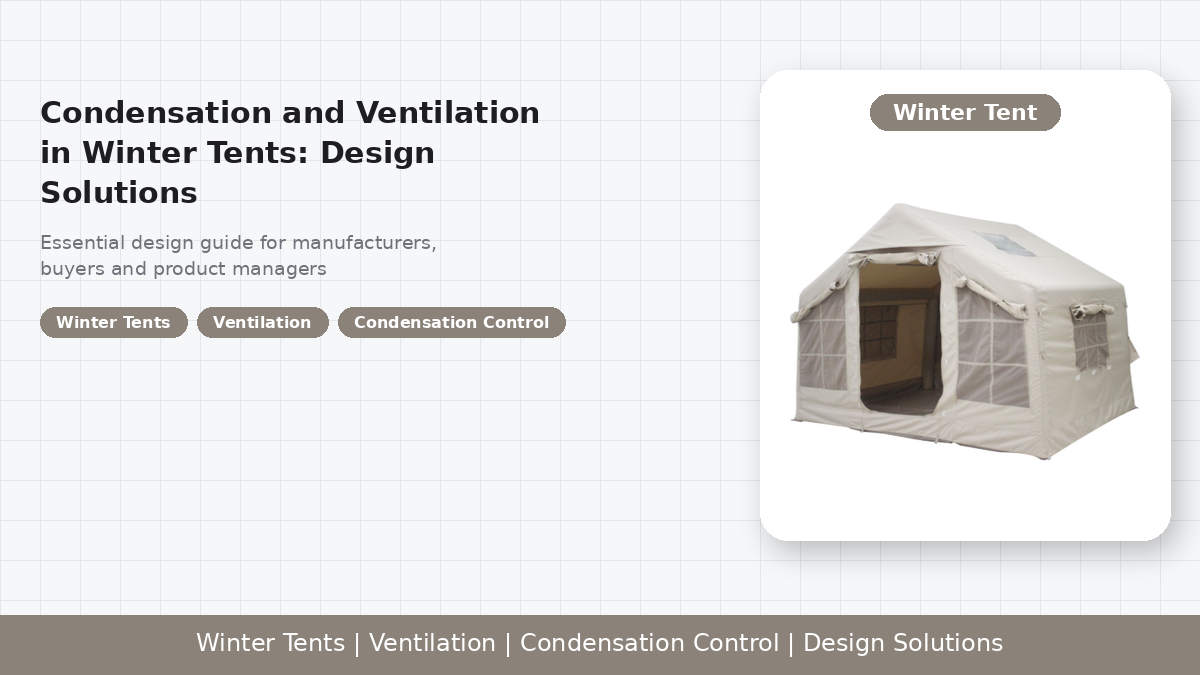
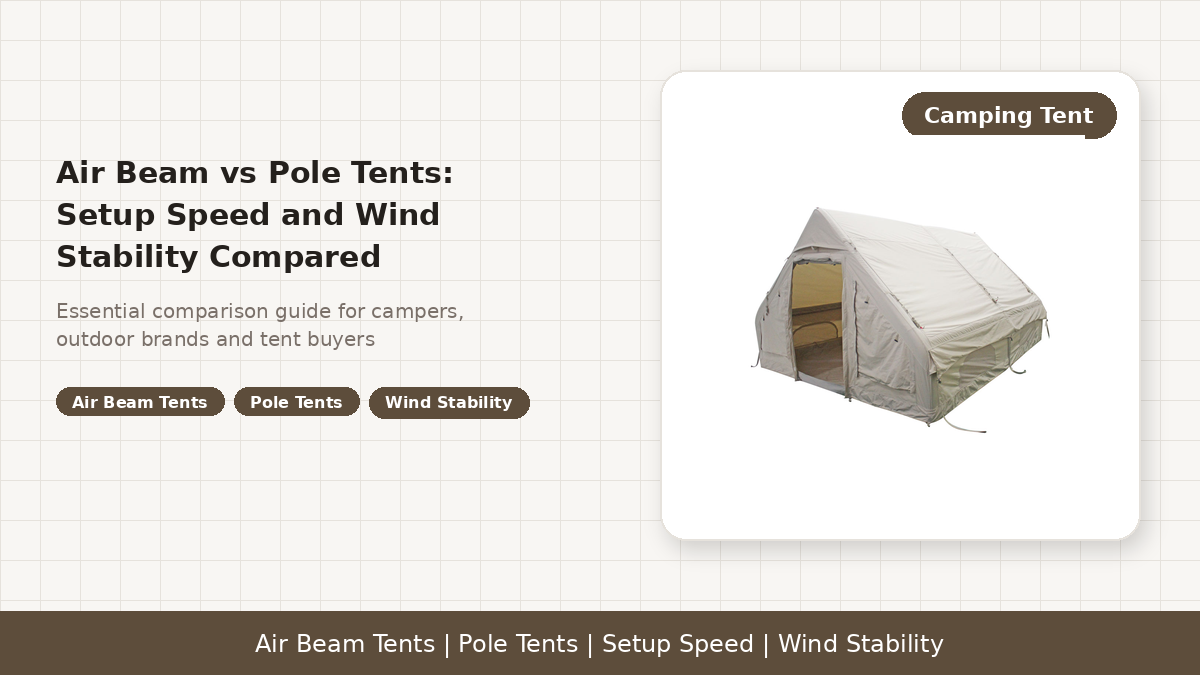
When you're camping in winter conditions, condensation inside your tent can quickly turn a comfortable adventure into a damp, uncomfortable experience. The primary cause of tent condensation is the temperature difference between warm interior air and cold exterior surfaces, which causes moisture in the air to condense into liquid water. In my experience working with outdoor products at QIAHE for over two decades, I've seen how proper tent design can effectively manage this issue. Our inflatable tent with pump features design elements specifically engineered to combat condensation while maintaining warmth and comfort in cold weather conditions.
Why Does Condensation Form Inside Winter Tents?
Condensation forms inside winter tents because warm, moist air from breathing, perspiration, and wet gear contacts cold tent surfaces and reaches its dew point. This natural process is unavoidable in any enclosed space, but it becomes particularly problematic in winter camping scenarios where temperature differentials are extreme.
In my years of product development experience, I've observed that a single person can release up to 1 liter of moisture per night through breathing and perspiration. When this moisture-laden air meets the cold tent fabric—often below freezing temperatures—it condenses into water droplets. These droplets can then freeze, creating additional problems like reduced tent fabric flexibility and potential damage to gear.
The challenge for tent designers is creating structures that maintain warmth while allowing sufficient airflow to remove excess moisture. This is where innovative design solutions become critical for winter camping comfort and safety.
How Do Mesh Windows Prevent Condensation in Inflatable Tents?
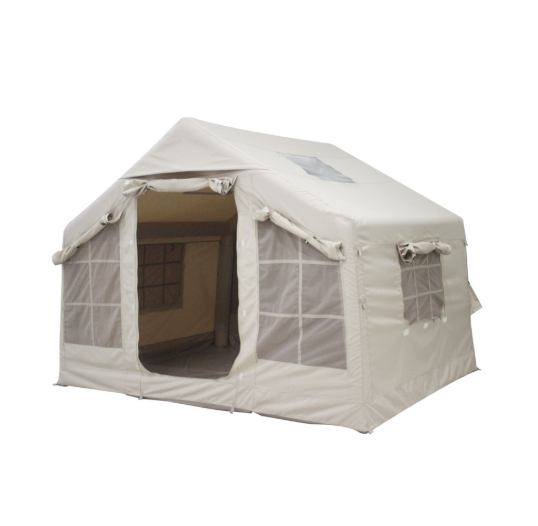
Mesh windows prevent condensation by creating cross-ventilation pathways that allow moist air to escape while maintaining interior warmth. The strategic placement of these windows creates airflow patterns that carry moisture away from interior surfaces before it can condense.
In our inflatable tent designs, we incorporate multiple mesh windows that serve dual purposes. During warmer conditions, they provide ventilation and insect protection. In winter, they can be adjusted to create controlled airflow that manages moisture without compromising warmth. The mesh material is engineered to allow air passage while blocking cold drafts and precipitation.
The effectiveness of mesh windows depends on their placement and size. We position them to create natural convection currents—cooler air enters through lower vents while warmer, moist air exits through upper windows. This continuous air exchange prevents the stagnant air conditions that lead to condensation buildup.
What Is the Best Way to Ventilate a Tent in Cold Weather?
The best way to ventilate a tent in cold weather is to use a combination of high and low ventilation points to create natural convection airflow. This method allows you to control air circulation while maintaining comfortable interior temperatures.
From my experience testing tents in various winter conditions, I've found that the most effective ventilation strategy involves:
- Opening lower vents to allow cool, dry air to enter the tent interior.
- Positioning upper vents or windows to release warm, moist air that naturally rises.
- Creating cross-ventilation by opening vents on opposite sides of the tent.
- Adjusting vent openings based on weather conditions and interior humidity levels.
- Using vestibules or awnings to create buffer zones that reduce direct exposure to cold air.
This approach creates a continuous air circulation pattern that prevents moisture buildup while maintaining a comfortable sleeping environment. The key is finding the right balance between ventilation and insulation—too much airflow can make the tent cold, while too little leads to condensation.
Do Inflatable Tents Work Well in Winter Conditions?
Yes, Inflatable Tents work exceptionally well in winter conditions because their air beam structures provide excellent insulation and stability. The trapped air in the beams acts as a thermal barrier, while the flexible structure can withstand wind and snow loads that might damage traditional pole tents.
In our product testing, we've found that Inflatable Tents offer several advantages in winter conditions:
- The air beam structure provides consistent insulation without cold spots common in pole tents.
- The flexible design can flex under snow loads rather than breaking like rigid poles.
- Quick setup time is crucial in cold weather when exposure to elements should be minimized.
- The sealed air beams prevent drafts that can occur with pole sleeves or connections.
- Many models include stove jacks or ventilation ports for heating options.
Our inflatable glamping tent features high-density waterproof Oxford fabric that provides excellent weather resistance while maintaining breathability. The CPAI-84 Level 5 certification ensures fire safety standards are met, which is particularly important when using heating devices in winter camping scenarios.
How Does a Dual-Layer Tent Design Reduce Condensation?
A dual-layer tent design reduces condensation by creating an insulating air gap between the outer rainfly and inner tent body. This gap allows moist air to escape while preventing direct contact between warm interior air and cold exterior surfaces.
The dual-layer system works through several mechanisms:
- The outer layer protects against rain, snow, and wind while allowing some air permeability.
- The air gap between layers acts as an insulating barrier that reduces temperature differentials.
- The inner layer manages moisture by allowing water vapor to pass through while blocking liquid water.
- Condensation that does form occurs on the outer layer, away from the interior living space.
- The design creates a microclimate that is more stable and comfortable for occupants.
In my experience, dual-layer designs can reduce interior condensation by up to 80% compared to single-layer alternatives. This significant improvement makes a substantial difference in winter camping comfort and gear protection.
What Should I Look for in a Winter Tent Ventilation System?
When evaluating a winter tent ventilation system, look for adjustable vents that can be opened from inside, mesh panels that prevent insect entry while allowing airflow, and multiple ventilation points to create cross-circulation. The system should allow you to control airflow without compromising weather protection.
Key features to consider include:
- Adjustable vent openings that can be modified based on weather conditions.
- Multiple ventilation points positioned to create natural airflow patterns.
- Mesh panels that block insects while allowing air exchange.
- Vestibules or awnings that provide additional ventilation options.
- Compatibility with heating devices through stove jacks or ports.
- Easy access to ventilation controls from inside the tent.
At QIAHE, we design our tents with these principles in mind. Our ventilation systems are engineered to provide optimal airflow while maintaining the weather protection and insulation necessary for winter camping comfort.
Conclusion
Effective condensation management is essential for comfortable and safe winter camping. By understanding the causes of condensation and implementing proper ventilation strategies, you can significantly improve your cold-weather camping experience. The key to success lies in choosing tent designs that incorporate proper ventilation features, dual-layer construction, and materials engineered for moisture management.
If you're looking for winter camping solutions that prioritize both comfort and performance, we invite you to explore our range of Inflatable Tents. Our team at QIAHE has decades of experience in outdoor product manufacturing, and we're committed to helping you find the perfect solution for your winter camping needs.Contact us today to discuss your specific requirements and discover how our products can enhance your outdoor adventures.
Frequently Asked Questions
Why does condensation form inside winter tents?
Condensation forms inside winter tents because warm, moist air from breathing and perspiration meets cold tent surfaces. When warm air contacts the cold tent fabric, it reaches its dew point and transforms into liquid water. This process is intensified in winter because the temperature difference between the tent interior and exterior is significantly greater than in summer conditions.
How do mesh windows prevent condensation in inflatable tents?
Mesh windows prevent condensation by creating cross-ventilation that allows moist air to escape while blocking cold drafts. The breathable mesh material permits air exchange without compromising the tent's structural integrity. When positioned strategically opposite each other, these windows create airflow pathways that carry moisture-laden air out of the tent before it can condense on interior surfaces.
What is the best way to ventilate a tent in cold weather?
The best way to ventilate a tent in cold weather is to use a combination of high and low vents to create natural convection airflow. Open lower vents to allow cool, dry air to enter while opening upper vents or windows to let warm, moist air escape. This creates a continuous air circulation pattern that prevents moisture buildup while maintaining comfortable interior temperatures.
Do inflatable tents work well in winter conditions?
Yes, Inflatable Tents work well in winter conditions because their air beam structures provide excellent insulation and stability. The trapped air in the beams acts as a thermal barrier, while the flexible structure can withstand wind and snow loads. Additionally, many Inflatable Tents feature dual-layer designs with ventilation systems specifically engineered to manage condensation in cold weather.
How does a dual-layer tent design reduce condensation?
A dual-layer tent design reduces condensation by creating an insulating air gap between the outer rainfly and inner tent body. This gap allows moist air to escape while preventing direct contact between warm interior air and cold exterior surfaces. The outer layer protects against rain and snow, while the inner layer manages moisture, resulting in significantly less condensation on interior surfaces.
What should I look for in a winter tent ventilation system?
When evaluating a winter tent ventilation system, look for adjustable vents that can be opened from inside, mesh panels that prevent insect entry while allowing airflow, and multiple ventilation points to create cross-circulation. The system should allow you to control airflow without compromising weather protection, and ideally include features like vestibules or awnings that provide additional ventilation options.