




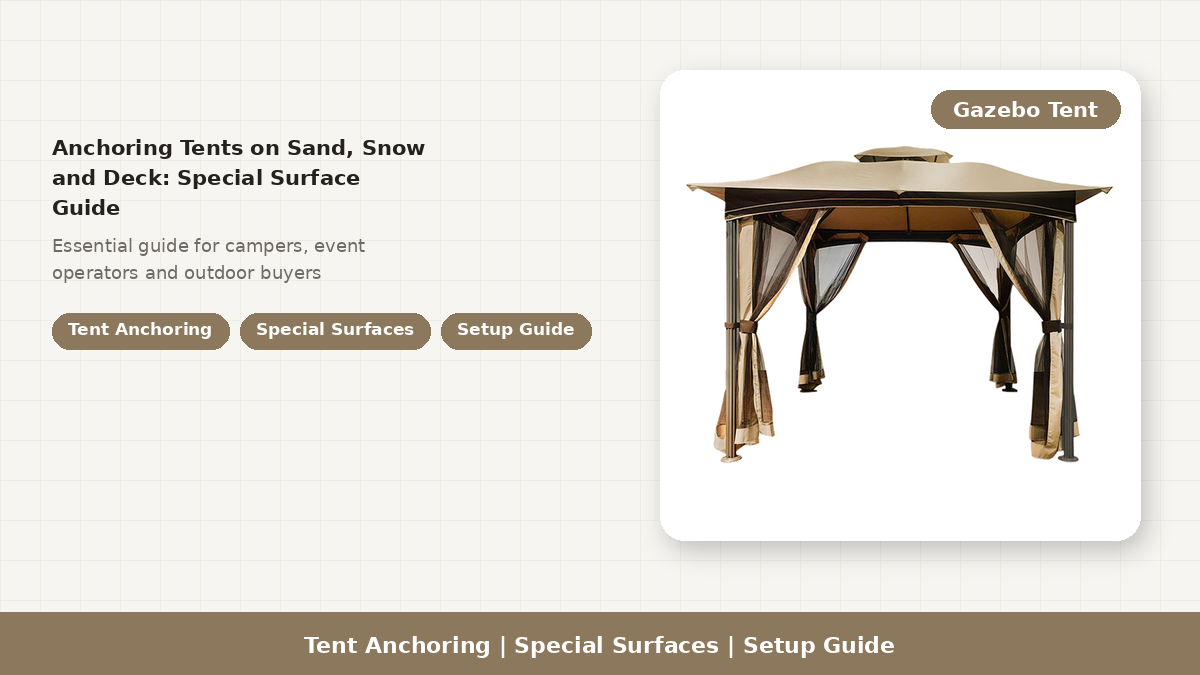
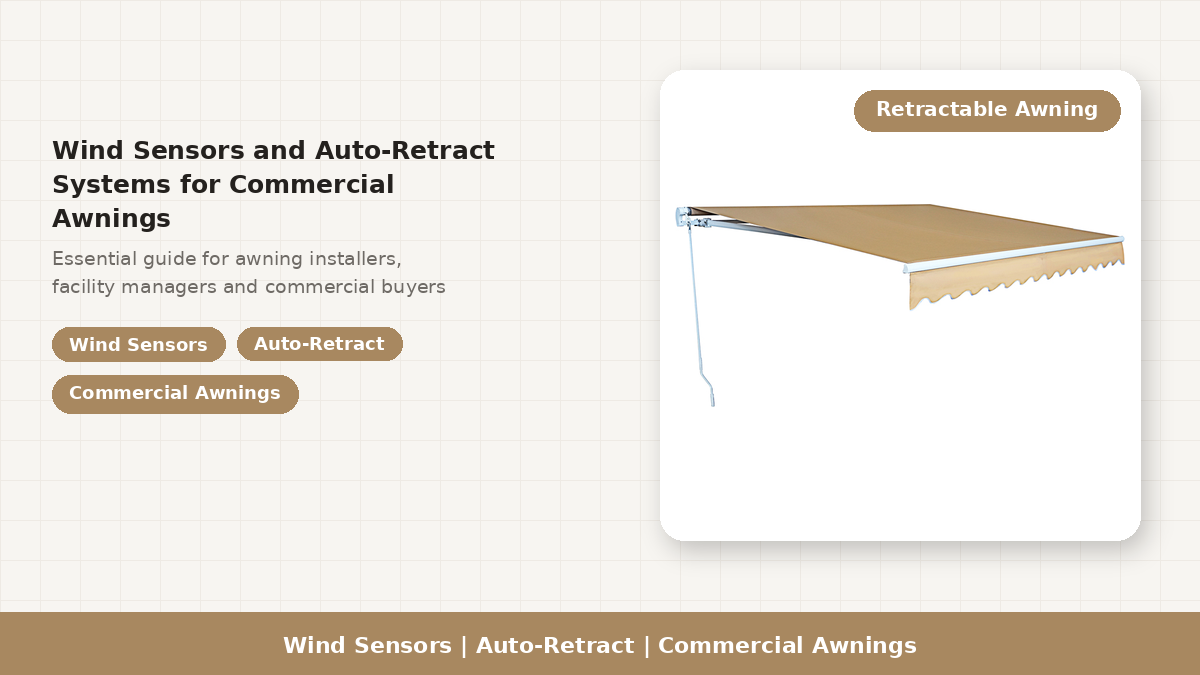
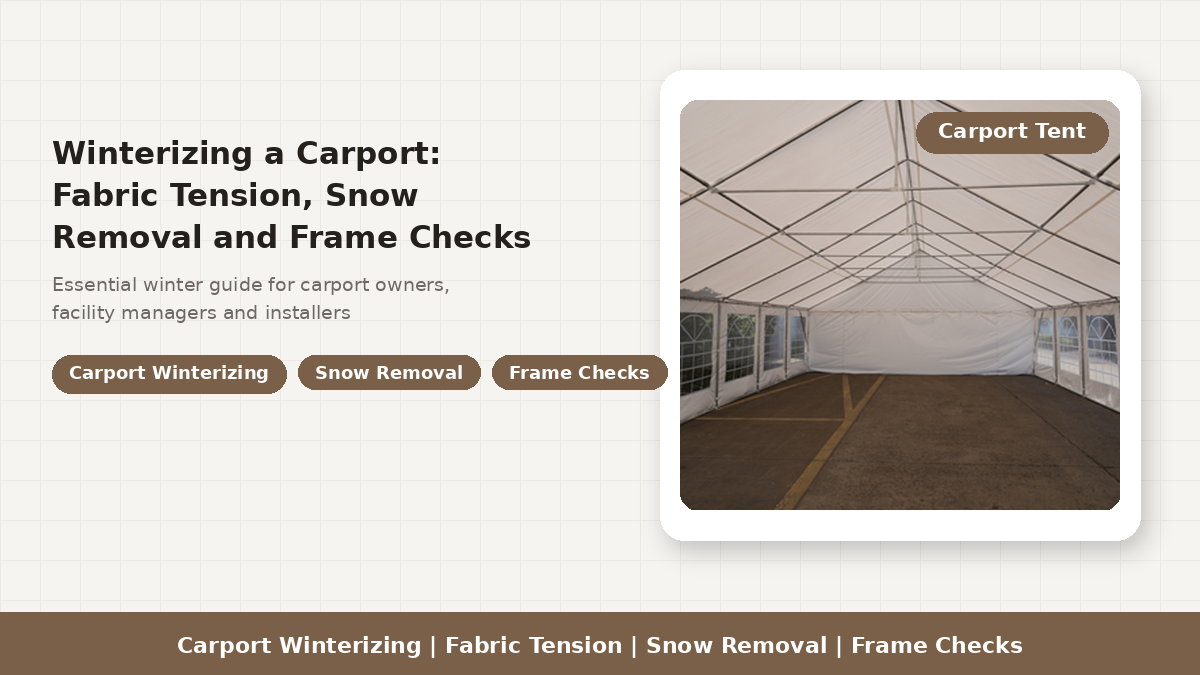
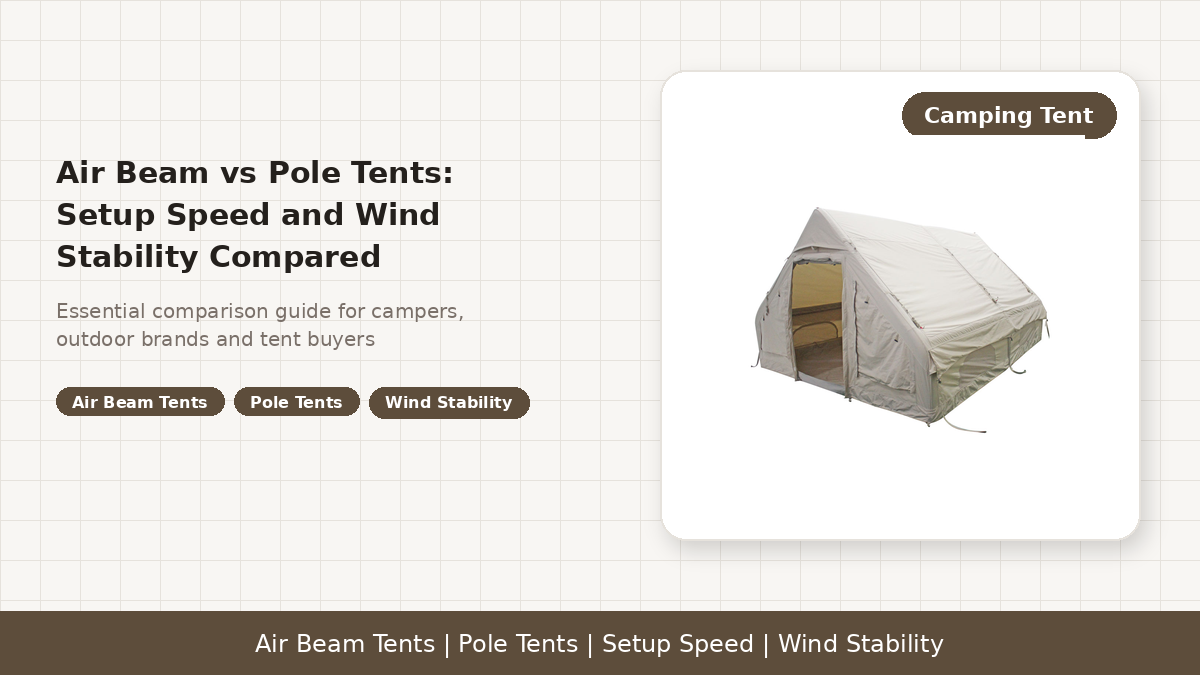
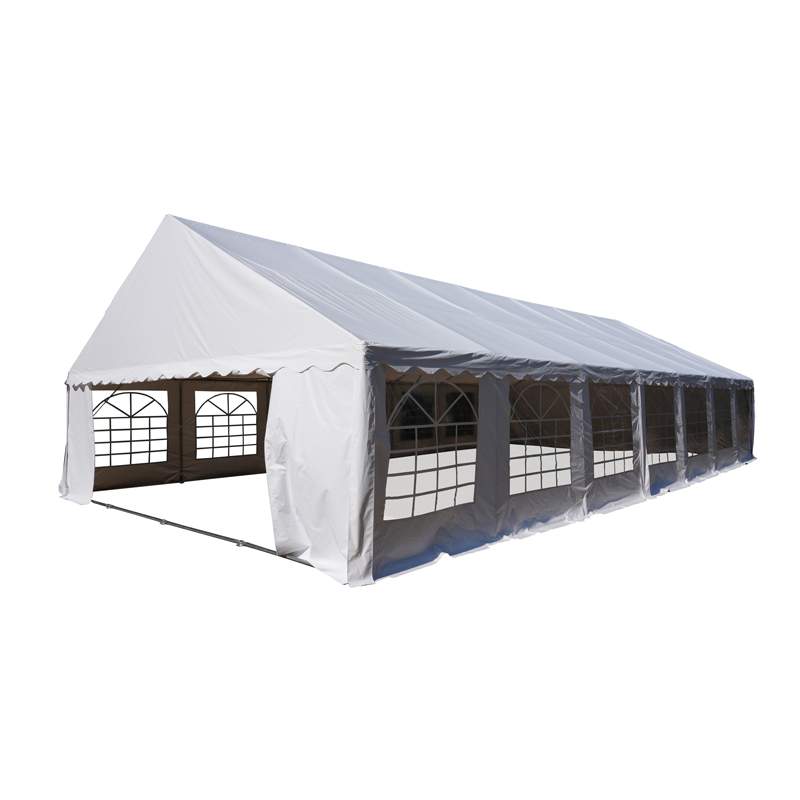
Seasonal outdoor products live and die by the calendar. A carport that arrives in March gets sold; the same carport arriving in May gets marked down. In twenty-plus years of manufacturing carports, gazebos, awnings, and pop-up tents at QIAHE Outdoor, I have seen the same conversation every year: a too-late order, an honest "yes" from the factory, and goods arriving after the buying window has closed. The fix is rarely heroic —it is a working order calendar built backwards from the retail launch date. This guide covers lead-time components, where buffers live, peak-season capacity shifts, and how a heavy-duty PVC event canopy carport moves through the calendar in real time.
Why Does Seasonal Outdoor Product Lead Time Matter More Than for Other Categories?
Because outdoor products are largely fashion-driven, weather-driven, and carry a hard sell-by date.A grill gazebo shipped in July sells at full margin; the same gazebo shipped in October sits in a warehouse until next May. A four-week delay on a winter greenhouse heater cover is an inconvenience; the same delay on a March-launch pop-up Canopy is a clearance-bin unit.
Retail calendars in North America and Europe are anchored to weather windows —garden center resets in February鈥揗arch, DIY summer program launches in April鈥揗ay, pre-Christmas outdoor pushes in October鈥揘ovember —and raw-material lead times are themselves seasonal because PVC-coated polyester fabric mills allocate capacity months in advance. Both ends of the supply chain are seasonal, so the order calendar must reconcile two peak seasons, not one. The lead-time question is not "how long does it take to make" but "how long does it take to make when the entire category is competing for the same fabric mill slots."
What Are the Five Lead-Time Components in a Seasonal Outdoor Product Order?
Every seasonal order moves through five sequential components, and where the buffer lives is the foundation of a working calendar.
- Quotation, sampling, and PO confirmation (1 to 3 weeks). We return formal quotes within 48 hours, but OEM sample lead time is typically 7 to 14 working days depending on custom color or hardware.
- Raw material procurement (2 to 5 weeks). Stock fabric, tubing, and hardware run 10 to 15 working days; custom-dyed fabric or branded components stretch to 3 to 5 weeks during peak season.
- Production and assembly (2 to 4 weeks). A standard carport, gazebo, or pop-up tent runs 14 to 25 working days on the line, including cutting, sewing, welding, and inline checks. Custom packaging adds 2 to 4 days.
- Pre-shipment inspection and rework (3 to 7 working days). In-house inspection is built into the flow; a separate third-party inspection by SGS, Bureau Veritas, or Intertek adds 2 to 3 days. Rework runs concurrent with document prep.
- Ocean transit, customs, and inland delivery (2 to 6 weeks). Ningbo/Shanghai to US West Coast runs 16 to 22 days; US East Coast via Panama, 28 to 35 days; North Europe (Rotterdam, Hamburg), 30 to 38 days. Customs and inland trucking add another 5 to 12 days.
The calendar math is therefore roughly 60 to 90 days for a clean stock-configuration order and 75 to 110 days for an OEM-customized seasonal order. Anything shorter is a calendar hiding risk.
How Do You Build the Order Calendar Working Backwards From Retail Launch?
The single most common mistake I see in seasonal planning is buyers starting from "when do I want to issue the PO" instead of "when does the unit need to be on the shelf." Once you lock the retail-ready date, every other date falls out of it. Here is the working calendar we use for a spring launch in North America or Europe.
| Milestone | Target Date (relative to launch) | Owner |
|---|---|---|
| Retail-ready on shelf / in DC | Launch day (e.g., 2027-03-01) | Buyer / retail DC |
| Container arrives at destination port + cleared | T-minus 3 to 4 weeks | Freight forwarder / customs broker |
| Pre-shipment inspection passed | T-minus 10 to 12 weeks | Factory + 3rd party inspector |
| Production complete, ex-factory | T-minus 11 to 13 weeks | Factory |
| Production starts (PO + deposit cleared) | T-minus 15 to 18 weeks | Factory + buyer |
| Samples approved + tech pack frozen | T-minus 17 to 20 weeks | Buyer |
| Quotation + OEM scope confirmed | T-minus 18 to 22 weeks | Buyer + factory sales |
For a March 2027 spring launch, this calendar lands the production PO in mid-October to early November 2026. That feels early —until you remember that fabric mills book dye-lot capacity 8 to 10 weeks before production starts, so the real upstream decision point is mid-August for the spring program.
Three judgment calls matter most. The destination port buffer: orders shipping into North Europe during the September鈥揘ovember restocking window need an extra 1 to 2 weeks for Rotterdam and Antwerp congestion. The inspection gap: only 3 working days between inspection and vessel loading is risky; 5 to 7 days is the comfort zone. The sample-approval window: a custom Pantone match rejected on the first sample resets the upstream clock by 2 to 3 weeks.
How Much Does OEM Customization Add to Seasonal Lead Time?
OEM and ODM customization is where most seasonal calendars quietly slip —buyers often quote the factory's "production lead time" as if customization were free, when it is the largest single variable in the chain.
- Light OEM customization (1 to 3 weeks). Custom Pantone or RAL color match on stock fabric, custom logo printing, custom retail carton printing with bilingual warnings, and custom stickers or hangtags. Most fabric mills carry 80 to 120 stock colors, so a custom match is usually a re-dye on a near-stock base.
- Medium OEM customization (2 to 4 weeks). Custom hardware (non-stock connectors, branded buckles, branded pull pins), custom frame dimensions, and custom accessory kits. Each requires engineering confirmation and sometimes custom tooling.
- Heavy OEM / ODM customization (3 to 6 weeks). New mold work for plastic components (end caps, foot plates, connector shells), bespoke fabric constructions outside the standard polyester or PVC-coated range, or genuinely new product development where the buyer is sourcing a category the factory has not made before.
The single largest variable inside OEM customization is fabric color matching against a non-standard Pantone or RAL reference. Because PVC-coated polyester is dyed in batches and outdoor fabric mills typically run a 5- to 7-day dyeing cycle plus a 3- to 5-day colorfastness test, a custom Pantone match adds a fixed 2 to 3 week delay the first time and roughly half that on repeat orders. For ODM (new product development), expect 6 to 10 weeks of concept-to-prototype work before the first PO even gets discussed, and if your launch depends on a genuinely new product, you should be talking to the factory 9 to 12 months before retail launch.
How Does the Calendar Shift Across the Two Peak Seasons?
Outdoor products have two distinct peak seasons per year, and they are not symmetric —understanding the calendar of pressure is what lets you place your PO at the right moment.
Peak Season 1 —February through May. The European summer program window. Retailers in Germany, France, the UK, the Netherlands, and Scandinavia take delivery of carports, gazebos, awnings, and pop-up tents from late February through April. PVC-coated polyester fabric mills run at maximum capacity from late January through mid-April. Because fabric mill capacity is the upstream bottleneck, PO placement in November and December catches the mills before their capacity is fully booked.
Peak Season 2 —July through September.The North American fall and pre-winter window. Buyers take delivery of winter greenhouse covers, Party Tents, and large event canopies for Q4 promotions. Steel tubing mills tighten because construction activity peaks in North America, and lead times on galvanized or powder-coated steel frames stretch by 1 to 2 weeks.
Between the two peaks sit shoulder windows from late May through June and mid-October through November —the lowest-pressure slots and the only times a buyer can credibly expect 60- to 70-day end-to-end lead times on a fully custom OEM order. Pushing your launch into a shoulder window is the most cost-effective calendar optimization you can make.
What About Container Loading, Packaging, and the Last-Mile Logistics Window?
The end of the calendar is where seasonal orders most often miss. Production finishes on schedule, inspection passes, and then goods sit in a factory warehouse for 2 to 3 weeks because the buyer underestimated consolidation, packing, and loading time. Here is the practical sequencing we use at QIAHE for the final 14 days.
- Day 1 to 3 —Final packaging audit. Retail cartons verified against the spec, bilingual warning labels checked, master carton weights confirmed, and retail barcode scans verified against the buyer's GS1 prefix.
- Day 4 to 5 —Container stuffing plan. Loading sequence locked, container loading diagram prepared, non-palletized SKUs flagged for dunnage planning.
- Day 6 to 7 —Container loading on site. Direct factory loading or transfer to a bonded warehouse for consolidation, with photographic loading reports issued.
- Day 8 to 9 —Documentation and shipping instructions. Commercial invoice, packing list, certificate of origin, fumigation certificate when required, and buyer-specific compliance certificates prepared.
- Day 10 to 12 —Container pickup and port gate-in. Carrier booking confirmed, terminal cutoff respected, vessel ETA shared.
- Day 13 to 14 —Sailing confirmation. Bill of lading issued, sailing confirmation sent, arrival ETA communicated.
Because retail-ready packaging and bilingual compliance documentation frequently slip after production has technically finished, the last 14 days of the calendar deserve as much scrutiny as the first 14. We have seen seasonal orders land on time in production but miss the launch window because the buyer requested bilingual user manuals and Prop 65 warning labels only at the inspection stage —adding 5 working days the calendar had not reserved.
Which Compliance Documents and Certifications Add Calendar Weeks?
Outdoor products that ship into the EU, North America, Australia, and the Middle East each carry their own compliance load. Below is the practical calendar impact for the documents we see most often.
| Document / Certification | Typical Lead Time | Triggered By |
|---|---|---|
| Certificate of Origin (Form A, E, or RCEP) | 2 to 3 working days | Always for destination customs |
| Fumigation / Phytosanitary certificate | 2 to 4 working days | Wooden pallet or crating in container |
| California Proposition 65 compliance | 3 to 5 working days for label printing | Sale of outdoor products into California |
| CE technical file / EU Declaration of Conformity | 5 to 10 working days (first time) | Sale of outdoor structures into the EU |
| REACH SVHC test report | 10 to 15 working days (lab queue dependent) | EU-bound orders with fabric or plastic components |
| Bilingual user manual and warning labels | 3 to 7 working days | EU and Canadian retail requirements |
| Customs HS code classification confirmation | 1 to 2 working days | All commercial shipments |
Because each compliance document is sequential, not parallel, the realistic penalty for requesting a certificate after production has started is 3 to 7 working days per document. Buyers should share their destination-market compliance checklist during the quotation stage.
Should I Split a Seasonal Order Across Multiple Shipments?
For high-volume seasonal programs, splitting is often the right move. The classic pattern is an initial 60% main-catalog order shipped by the original cut-off, plus a 40% color-extension or new-SKU follow-up that ships 3 to 5 weeks later. This protects the launch window for the core catalog while still letting the buyer test new colors or SKUs without committing full production capacity early.
The trade-off is real. Splitting adds roughly 1 to 2 weeks of cumulative handling because each shipment needs its own commercial invoice, packing list, certificate of origin, and —depending on destination —its own compliance documents. Because splitting increases both calendar time and per-unit logistics cost, the decision should be driven by SKU risk and category confidence, not by cash-flow convenience. For first-season programs where the buyer is testing a new outdoor category, we recommend the opposite: a single consolidated order in year one, with splitting introduced in year two once sell-through has confirmed the core SKU mix.
How Much Buffer Should I Carry for Peak-Season Port Congestion?
Port congestion is the calendar variable buyers most consistently underestimate. Factory performance, ocean carrier reliability, and inland trucking are all reasonably predictable. Because container terminal capacity is shaped by global trade flows, weather events, and labor cycles, it is the one variable that lives entirely outside the factory's control. The high-pressure slots:
- August through October on the US West Coast. Pre-holiday import surge drives 3- to 7-day delays at Long Beach, Oakland, and Tacoma. Add roughly 1 week of buffer.
- September through November in North Europe. Rotterdam, Antwerp, and Hamburg see similar pressure during the European autumn restocking window. Add roughly 1 to 2 weeks.
- January through February on the US East Coast. Post-holiday cleanup combined with Chinese New Year upstream shutdown creates a 2- to 3-week transit spike. Plan orders that need to land by mid-March accordingly.
For orders outside these windows, the buffer can usually be reduced to the standard 3- to 5-day customs clearance allowance. The 2-week buffer is the comfort zone; it does not need to live in every order, but it should live in every peak-season order.
What Should a Factory Acceptance Test Cover Before a Seasonal Outdoor Shipment?
Pre-shipment inspection is the buyer's last chance to catch issues before goods hit the water. Below is the standard QIAHE pre-shipment acceptance protocol for a heavy-duty Pvc Carport or gazebo program.
- Frame dimension verification. Spot-check 3 to 5 finished units against the tech pack. Tolerance 卤2 mm on critical dimensions (footprint, arch height, tube outer diameter).
- Fabric weight and color match. Confirm fabric weight per spec (typically 600 to 900 g/m虏) and color match against the approved reference under D65 daylight. Tolerance 螖E 鈮?1.0.
- Weld and seam inspection. Visual inspection of all welded joints and sewn seams. No visible cracks, porosity, missed stitches, or skipped welds.
- Hardware torque test. Spot-check critical hardware against spec. Torque values typically 18 to 25 Nm for M8 bolts.
- Water resistance spot check. Localized water-resistance test on sewn or welded seams. No leakage under a 5-minute spray at 50 kPa.
- Packaging and labeling audit. Confirm retail carton printing, multilingual warning labels, barcodes, and inner-pack accessory lists.
- Drop and handling test. Standard 1.0 m corner drop test on retail cartons to confirm shipping durability.
Because rework after inspection typically runs concurrent with the inspection report, the practical calendar impact of an inspection-driven rework event is 2 to 4 working days. The calendar reserves a full week for inspection and rework rather than just the 2 to 3 days the inspection itself takes.
What Are the Most Common Seasonal Calendar Mistakes?
After twenty-plus years of OEM/ODM manufacturing, the same five mistakes show up in roughly 80% of the seasonal orders that arrive late at retail. They are all process failures a working calendar catches by default.
- Starting from the PO date instead of the retail date. If the calendar is built around when the buyer wants to issue the PO, the retail date absorbs every slip. Always start from the shelf date.
- Ignoring fabric mill capacity. Buyers assume "factory" capacity equals "raw material" capacity. Because fabric mills allocate dye-lot capacity 8 to 10 weeks before production starts, the upstream decision point is 2 to 3 weeks earlier than the production PO.
- Requesting custom Pantone colors at the last minute. Custom fabric dyeing adds 2 to 3 weeks the first time. If the buyer requests it after sample approval, the entire chain slips.
- Forgetting destination-market compliance. CE, REACH, Prop 65, bilingual manuals, and country-of-origin marking are not afterthoughts. Each is 3 to 7 working days when requested late.
- Under-allocating the port buffer. Peak-season port congestion can add 1 to 2 weeks that no factory in the world can prevent. The buffer must live in the calendar, not in the buyer's hopes.
How Do I Get a Seasonal Order Calendar Built for My Product Mix?
If you are planning a seasonal outdoor program for the 2027 spring or summer launch window, send us your target retail date, destination market, SKU list, and any custom branding requirements. Because every seasonal program is unique, we treat the first calendar as a working draft and revise it after the first sample round. This keeps the upstream fabric mill decision aligned with the production PO and the destination compliance work in sequence.
You can request a quotation and samples here, read more about our heavy-duty PVC event canopy carport product line, or learn how QIAHE Outdoor supports OEM/ODM partners. Formal inquiries get a response within 48 hours and reference samples ship within 7 to 14 working days depending on customization.
Frequently Asked Questions
Our seasonal OEM buyers ask these questions most often.
What is the typical lead time for a seasonal outdoor product like a carport or gazebo?
For stock Pvc Carports, gazebos, and pop-up tents, end-to-end lead time from PO to delivered container at a US or EU port runs roughly 60 to 90 days. OEM/ODM orders with custom color or hardware typically run 75 to 110 days.
When should I place my order to hit a spring retail launch?
Working backwards from a March retail launch in North America or Europe, the production PO should land with the factory by mid-October to early November of the prior year —roughly 14 to 18 weeks for OEM customization, production, inspection, ocean transit, and customs clearance.
How much does OEM customization add to the lead time?
Standard OEM customization —color match, logo printing, custom carton printing, retail-ready packaging —adds roughly 1 to 3 weeks. Heavier customization such as custom hardware, bespoke frame dimensions, or new mold work can add 3 to 6 weeks. The largest variable is usually fabric color matching against a non-standard Pantone or RAL reference.
Why does the same product quote different lead times from the same factory?
Because production capacity, fabric mill allocation, and container slot availability all fluctuate seasonally. From February through May, fabric mills in China run hot for European summer programs, pushing raw material lead times up by 2 to 3 weeks. From July through September, the pressure shifts to North American fall and winter programs.
Can I split a seasonal order across multiple shipments?
Yes, and for high-volume seasonal programs we usually recommend a 60% main-catalog order and a 40% color-extension or new-SKU follow-up. Splitting reduces the risk of a single late container missing the launch window, but adds 1 to 2 weeks of cumulative handling for documentation.
What documentation delays do buyers most often miss?
The most common are certificates of origin and fumigation certificates for destination customs, child-resistant hardware compliance for markets like California, and bilingual user manuals for the EU and North America. Each can add 3 to 7 working days if requested after production has started.
How do I build a buffer for peak-season shipping delays?
Add a 2-week buffer between planned ex-factory and target port-of-entry date for orders shipping July through October, when port congestion on the US West Coast and major European ports spikes. This buffer has nothing to do with factory performance —it lives in the carrier and terminal.
Does QIAHE run factory acceptance testing for outdoor products before shipment?
Yes. Standard pre-shipment inspection covers frame dimension verification, fabric weight and color match, weld and seam inspection, water-resistance spot check, and a full packaging audit. Third-party inspections by SGS, Bureau Veritas, or Intertek are welcomed and integrated into our calendar.
About the author: Alice is an Outdoor Product Specialist at QIAHE Outdoor, a 20+-year manufacturer and exporter of carports, awnings, gazebos, Inflatable Tents, and greenhouse solutions. She works with global retailers on OEM/ODM custom manufacturing programs.
Watch the QIAHE SunnYan YouTube channel for product walkthroughs.