




TL;DR —What event operators actually need to know
- Five flooring categories cover the full event range. Ground sheets, matting, cassette floors, raised platforms, and dance-floor panels —?each has a defined use case.
- The right choice is governed by guest count, footwear, weather window, and ground condition —not headline price. The cheapest option is rarely the cheapest event.
- Cassette is the workhorse for medium and large events. Roughly 25—10 m² per crew-hour, lays flat, handles point loads, and survives weather cycles.
- Raised platforms solve ground that nothing else can. Slopes, drainage, uneven turf, buried utilities —they cost more but they make the event possible.
- Dance-floor panels are a specialty product, not a category. Sprung or vinyl-faced, sized for the rig, and only used where guests will actually dance.
- Ground sheets protect the tent floor —?they do not create a guest surface. Use them underneath, not instead of, the finished floor.
- Permit rules vary by jurisdiction. A ground sheet typically needs no permit; cassette or raised usually does under NFPA 102.
Most rental operators will tell you the floor is the part of the event that decides whether the day works. The tent above it is well understood, manufactured to a known spec, and predictable in any weather. The floor is whatever the site gives you —?a slope, a soft patch, a buried sprinkler line, a stretch of turf that turns to mud after lunch.
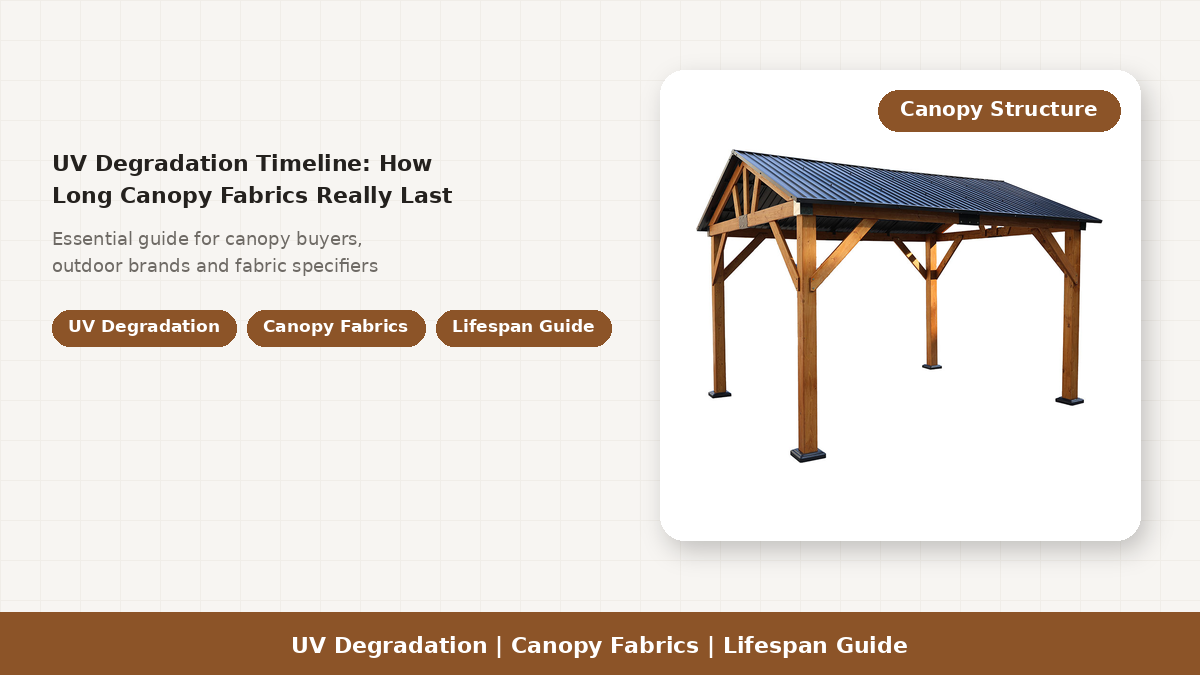
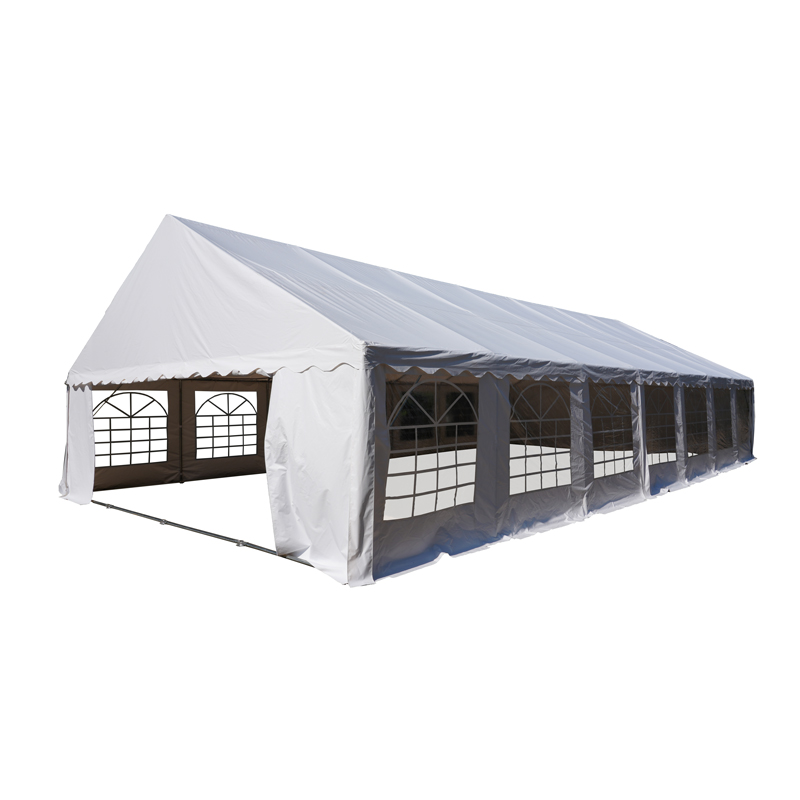
In our work with distributors, event rental companies, and outdoor venue operators across North America, Europe, the Middle East, and Southeast Asia, the same five flooring categories come up on virtually every order. This guide lays those five categories out in plain language, with the install speed, the weather tolerance, the cost band, and the use case for each, plus the procurement rules we walk customers through before they confirm a tent-floor specification on a heavy-duty outdoor Canopy like the one we build atQIAHE or any comparable frame structure.
Why the Floor Choice Matters More Than the Tent Itself
The tent handles weather, light, and shade. The floor handles every guest interaction. If the floor fails, the event fails, even when the tent is performing exactly as specified. A 1° slope nobody noticed on the survey shows up as a toppling champagne tower at the head table. A ground sheet that looked fine at 9 a.m. is a slip hazard by 11. None of those failures are tent failures. They are all floor failures.
What makes the floor decision non-obvious is that the right answer is rarely the cheapest line item on the quote. A ground sheet costs almost nothing per square meter; a cassette floor costs several times more. But a ground sheet on a sloped grass site for a 200-guest wedding is the floor that turns a four-hour reception into a structural-disaster story on the venue's next social-media review. The cheapest option is rarely the cheapest event. The right question is which floor category is matched to the guest count, the footwear, the weather window, and the ground condition.
The Five Flooring Categories Event Operators Actually Use
The five categories below cover the operational range from a 20-person backyard party on level turf to a 1,000-guest wedding on a sloped field. Each is defined by what it is, what it costs, how fast it lays, and where it fails. The fabric side of any of these categories sits under the same standards the tent top sits under, and the Industrial Fabrics Association International is the trade reference that spans both the tent and the floor side of the supply chain.
Category 1 Ground sheets
A ground sheet is a 200 g/m² to 300 g/m² woven polyethylene tarp, sometimes heavier PVC, laid directly on the turf, gravel, or compacted soil under the tent. The sheet protects the tent's PVC floor from abrasion and prevents dirt transfer into the tent interior. It does not level uneven ground, does not shed water once it rains, and does not create a guest-facing walking surface.
The fabric performance of the heavy PVC ground sheets particularly the ones used under marquee tents on grass falls under the same flame-propagation regime as the tent roof. NFPA 701 sets the test method for textiles and films used in event structures, and any ground sheet carrying a fire-rating mark on its label is referencing that framework. Ground sheets are cheap, fast to lay, and disposable across events. They are the right choice for short, low-traffic events on ground that is genuinely flat and dry. They are the wrong choice as a finished floor because the moment guests start wearing dress shoes or the ground becomes damp, the surface stops being appropriate.
Category 2 Matting (outdoor carpet / coir / artificial turf)
Matting is the finished guest-surface floor in most small-to-mid events. Outdoor carpet, coir matting, and artificial turf all qualify, and the choice between them is mostly aesthetic and weather-related: outdoor carpet handles light moisture and is the most common choice; coir is rougher underfoot; artificial turf is the highest-end finish but the most expensive per square meter.
Matting is rolled out over the tent floor, edges are trimmed or tucked, and seams are either butted or taped. Install speed is high (typically 50 m² to 80 m² per crew-hour for outdoor carpet), and the cost is moderate. Matting only works when the underlying ground is genuinely flat and the weather window is dry; wet matting on uneven turf becomes a slip and trip hazard that no operator wants to defend with.
Category 3 Cassette floors
A cassette floor uses square or rectangular panels (typically 1 m × 1 m or 1 m × 0.5 m, sometimes 1 m × 0.25 m edge panels) that lock together on all four edges without tools. The panels are usually aluminum, heavy-duty plastic, or composite, with a finished top surface carpet tile, vinyl, wood grain, or a textured non-slip surface. Cassette is the workhorse floor for medium and large events because it lays flat regardless of ground condition and handles point loads.
Install speed on cassette is roughly 25 m² to 40 m² per crew-hour depending on the panel weight and crew experience. A four-person crew can lay a 200 m² cassette floor in roughly half a day. The cost is several times matting on a per-square-meter basis, but the labor savings and the weather tolerance usually offset the panel cost on any event above roughly 100 guests. The fabric-face options on the cassette tile (vinyl, carpet tile, wood grain) all sit under the same coated-textile framework the tent top sits under, which is why the EN-standard PVC coated fabric search index covers both ends of the same product.
Category 4 Raised platforms
A raised platform is a timber or aluminum frame with a deck on top, supported on adjustable feet or splayed bearers, designed to lift the entire finished floor surface above the underlying ground. The platform is the right choice on any site where the ground is genuinely unworkable —?a slope steeper than roughly 1 in 30, buried utilities, poor drainage, or any venue where the operator needs cabling underneath the floor.
Raised platforms are the most expensive flooring category by a wide margin, and they add a full day to the install for framing, shimming, and deck laying. They are also the only category that genuinely levels any site and supports a wheelchair-accessible ramp at every threshold. Where the site allows it, the platform replaces cassette, ground sheet, and matting in a single system. The structural anchor for any raised platform in the U.S. is 29 CFR 1926.451, the OSHA scaffolding and staging rule, because the platform is structurally a temporary stage; in Europe the equivalent anchor is the EN-standard steel tube structure family that governs the frame components.
Category 5 Dance-floor panels
Dance-floor panels are a specialty sub-category. They are sprung or semi-sprung vinyl-faced panels (typically 1 m × 1 m or 2 ft × 2 ft), locked together to create a defined dance area inside the larger tent. The panels are not the finished floor for seating or catering —?they are a separate surface laid over the main floor for the dance area only.
The size and position of a dance floor is a guest-experience decision more than a structural one. A 4-piece live band typically wants roughly 12 m² to 16 m² of dance floor; a DJ setup can run on 8 m² to 12 m²; and a wedding with a packed dance floor at peak typically needs 20 m² to 30 m². Dance floors sit under the same temporary-structure umbrella as the tent they live in, and the principal U.S. reference is NFPA 102 (Standard for Grandstands, Folding and Telescopic Seating, Tents, and Membrane Structures); in Europe the equivalent is the EN-standard temporary structure family that includes EN 13782.
Comparison Table Cost, Speed, Use Case
The table below summarizes the five categories side by side. Cost and time figures are deliberately qualitative —?they swing sharply by region, season, and rental operator —?but the relative ranking is consistent across the customer base.
| Category | Best for | Cost band (relative) | Install speed | Weather tolerance |
|---|---|---|---|---|
| Ground sheet | Sub-floor protection only; not a finished surface | Lowest | Very fast (rolled out) | Low (slippery when wet) |
| Matting | Small-to-mid events on flat, dry ground | Low to moderate | Fast (50—?0 m² per crew-hr) | Moderate (rain-sensitive) |
| Cassette | Medium and large events on any ground | Moderate to high | Fast (25—?0 m² per crew-hr) | High (sheds rain, no absorption) |
| Raised platform | Sloped, uneven, or utility-restricted sites | High | Slow (full-day framing) | Very high (lifted above ground) |
| Dance-floor panels | Defined dance area inside the larger tent | Moderate (specialty) | Fast (panel-by-panel lock) | Moderate to high (vinyl-faced) |
When Each Flooring Category Makes Sense (and When It Doesn't)
The five categories above are not a hierarchy. Each is the right answer in a specific site-and-event context.
Ground sheet is the right choice
When the event is on already-flat turf, the weather window is dry, and the floor is being protected rather than used. Ground sheets are sub-floors, not finished floors, and the right framing is "what is on top of the ground sheet." If the answer is "the tent floor itself, with guests walking directly on it," the answer is right.
Matting is the right choice
When the guest count is below roughly 100, the ground is flat and dry, and the footwear is predominantly flat-soled (corporate event, casual wedding, outdoor market, public-ticketed event). Matting over ground sheet is the standard small-event floor, and most operators have it on hand as a stock item. Matting is the wrong choice when the ground is damp or uneven, when the footwear includes dress heels, or when guests with mobility aids are part of the count.
Cassette is the right choice
When the guest count is roughly 100 or more, when the ground condition is variable, when the weather window includes rain risk, when wheelchair access matters, or when the event includes heavy catering equipment or a dance-floor rig. Cassette is the wrong choice only when the install time is genuinely shorter than the cassette ship time —?for a 30-guest backyard party on level turf, a cassette floor takes longer to deliver than the event lasts.
Raised platform is the right choice
When nothing else will work. A slope greater than roughly 1 in 30, a buried utility corridor, a soft or contaminated ground that will not bear the tent point loads, a venue that needs the floor lifted for drainage or cabling. Platforms are the wrong choice on flat, accessible ground because the cost is roughly double the cassette equivalent and the install is a full day longer.
Dance-floor panels are the right choice
When there is an actual dance floor on the program. A live band, a DJ set, or a packed dance floor at a wedding all justify the separate panel area. Dance-floor panels are the wrong choice on a corporate event or a seated reception with no formal dance component.
Sub-Floor Decisions: What Sits Between the Floor and the Ground
Most operators layer more than one of the categories above. The standard layering is ground sheet first (always), finished floor second (matting or cassette), and specialty surface third (dance-floor panels). The decisions that change between sites are at the seam.
On dry turf: ground sheet →?matting →?dance panels in the defined area. On damp grass or compacted soil: ground sheet →?cassette over the entire floor, optional dance panels on top of cassette. On a slope: ground sheet →?raised platform →?finished floor on top of platform. On a paved surface: ground sheet or no underlay (if the pavement is genuinely clean and flat) →?cassette or matting directly.
The seam between ground sheet and finished floor is the one that consistently gets missed. Operators who skip the ground sheet save on the underlay line and lose it back within a season in dirt transfer and premature wear on the tent floor. Always ground sheet first, regardless of which finished floor sits on top.
How to Spec Flooring for a Real Event (Practical Workflow)
For an event buyer who is not on site and is specifying the floor remotely, the workflow below is the same one we run during a tent-and-floor consultation. It is not a substitute for a site survey, but it is enough to scope the right category before the survey is booked. The tent-and-stage safety planning is anchored to OSHA's event industry safety and health topic page, the cleanest single starting point for U.S.-based operators.
- Confirm guest count, footwear, and event duration. The combination of these three decides whether matting, cassette, or platform is even in the running.
- Pull a recent site photo or video. The site survey does not need to be formal —?a phone video from the proposed tent footprint is enough to flag slope, ground cover, and drainage in 30 seconds.
- Confirm the weather window for the event date. A 12-hour rain forecast moves the floor choice up one category —?from matting to cassette, or from cassette to platform.
- Ask whether the ground has buried utilities, drains, or irrigation lines. If yes, the platform is the only safe choice because the platform carries point loads without loading the ground.
- Confirm access for delivery. A cassette floor arrives on pallets; if the venue cannot accept a small truck, the operator is laying matting by default whether they want to or not.
- Lock the dance-floor area if the program needs one. A 16 m² to 20 m² dance area inside the larger tent is the working anchor for a 4-piece live band or a DJ set.
Once those six are in hand, the operator can quote the right floor category in writing, the customer can sign off, and the install crew can show up with the right stock. If you would like our team to walk through this workflow against a specific venue or a folding gazebo frame spec, the contact page below is the fastest route.
Frequently Asked Questions
- What is the cheapest event tent flooring?
- Ground sheets —?typically a 200 g/m² to 300 g/m² woven polyethylene tarp laid directly on turf or compacted soil —?are the cheapest usable event tent flooring at small scale. They protect the tent's PVC floor from abrasion and prevent dirt transfer into the tent, but they do not level uneven ground and they become slippery when wet. For a short, low-traffic event on already-level turf, a ground sheet is the right choice. For anything where guests will be wearing dress shoes, or where the event includes seating and catering, the operator's cost-per-square-meter rises to matting or cassette because the wear and safety risk outweigh the savings.
- Is cassette tent flooring worth the cost?
- For medium and large events —?weddings, corporate launches, product activations, retail pop-ups —?cassette flooring is almost always worth it. The cassette panels lock together without tools, lay at roughly 25 m² to 40 m² per crew-hour, and create a flat walking surface that dress shoes, wheelchair users, and catering equipment can all use without issue. The cost is real but it is offset by shorter install time, fewer weather callouts, and a more polished guest experience. For small backyard events on level turf, the cost is hard to justify; for any event above roughly 100 guests, it usually is.
- Can I use plywood as event tent flooring?
- Plywood is sometimes used as a sub-floor under cassette or matting, but it is rarely the finished surface for an event. Standard plywood is not finished for foot traffic, gets slick under condensation, and can delaminate after a single rain. Marine-grade or coated plywood can be acceptable as a temporary sub-floor on uneven ground, with carpet or matting laid over it for the guest-facing surface. The more common modern alternative is engineered cassette panels made from bonded aluminum, plastic, or composite —?they lay flat, lock together, and survive weather cycles far better than plywood.
- What is the difference between cassette flooring and plastic track flooring?
- Cassette flooring uses square or rectangular panels (typically 1 m × 1 m or 1 m × 0.5 m) that lock on all four edges. Plastic track flooring uses long planks (typically 250 mm wide × 2 m to 4 m long) that snap together along the long edge only. Cassette is faster on large open floors, handles point loads better (dining tables, dance-floor rigs), and disassembles into a tighter load for transport. Track is cheaper per square meter, easier to lay in narrow strips, and better for pathways, marquee aisles, and small buffet lines. Most operators stock both and switch between them on the same event.
- How do I deal with rain on a grass site?
- Three rules consistently work. First, lay a ground sheet first to stop the turf from saturating into the tent floor. Second, choose cassette over matting on any site where rain is forecast in the 12-hour window, because the locked surface sheds water instead of absorbing it. Third, elevate the tent floor slightly above the surrounding grade with a shallow perimeter berm or a low timber frame, so runoff from the tent perimeter does not pool against the canvas. None of those three require professional drainage, and together they handle roughly 95% of the wet-weather events for a mid-size rental operator's calendar.
- Do I need a permit for tent flooring?
- It depends on the jurisdiction and on the floor type. A ground sheet or carpet laid on turf typically does not require a permit because the ground is not permanently altered. Cassette, raised platform, or any anchored floor typically does, because it can be classified as a temporary structure under NFPA 102 (Standard for Grandstands, Folding and Telescopic Seating, Tents, and Membrane Structures) or under the local fire code. The threshold for permits is usually a combination of occupant load and clear-span tent, not the floor choice itself, but the floor is the easiest piece to retrofit when a permit condition comes back from the inspector. Always confirm with the local Authority Having Jurisdiction before the install.
- What is the fastest tent flooring for a 100-guest event?
- For a 100-guest seated event (roughly 100 m² of clear floor area plus circulation), cassette flooring is the fastest finished option at roughly 25 m² to 40 m² per crew-hour —?that is a half-day install for a four-person crew including ground-sheet prep and edge finishing. The faster option is matting laid on existing flat ground, but matting only works if the ground really is flat and dry. The slowest option is a raised timber platform, which adds a full day for framing and shimming. Most rental operators quote 4 to 6 hours of install time for cassette on a 100-guest event and book it as a same-day morning load-in.